

The United Nations has declared 2026 the International Year of Rangelands and Pastoralists (IYRP), in order to give mosaic landscapes the attention they deserve and urgently need.
Within the “Mosaic of LIFE” project, we will be marking the International Year of Rangelands and Pastoralists throughout 2026. Here you will be able to follow all of our activities, events, and news, which we will be publishing on a regular basis. An exciting and eventful year lies ahead of us.
Pastoralism is a form of animal husbandry that involves raising livestock on natural pastures, often with seasonal or permanent movement of animals for grazing. It is important because it contributes to the production of food such as meat, milk, and cheese, helps maintain biodiversity and prevents the overgrowth of grasslands, preserves cultural heritage and traditional practices, and plays an important role in the sustainable use of landscapes.
What is a transhumance?
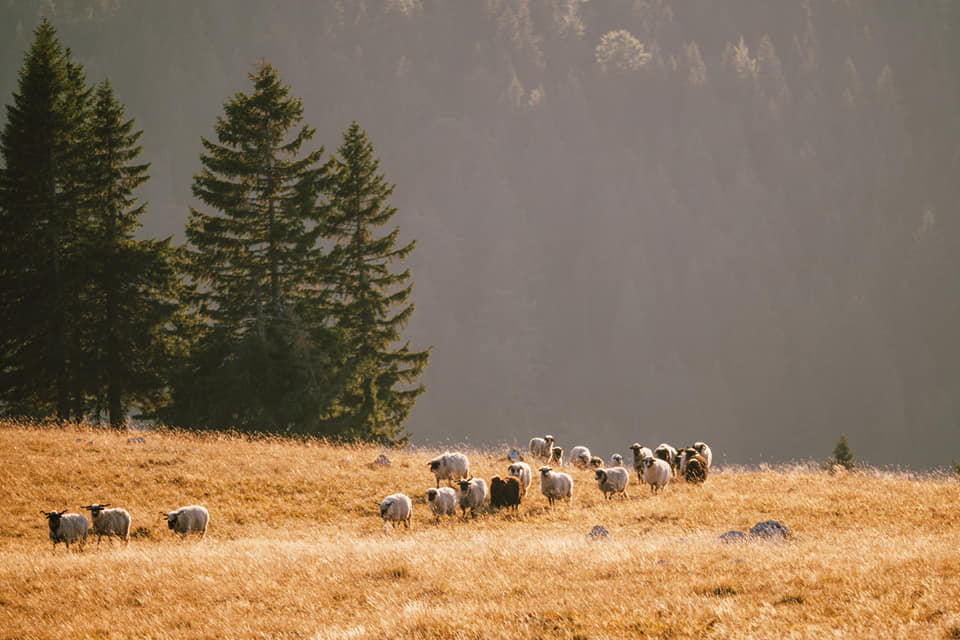
Transhumance, or transhumant pastoralism, is the seasonal movement of people and their livestock between permanent summer and winter pastures. Each year, in late spring and early autumn, shepherds move their herds along traditional livestock routes, on foot or on horseback, with the help of dogs and often accompanied by their families. It is most commonly practiced in sheep farming and involves two directions of movement: during the warmer part of the year, herds are taken to higher mountainous areas, while in the colder part of the year they move down to lowland and valley regions. Livestock farmers usually have a permanent residence in the lower areas.
Through history, this practice has been based on knowledge of nature and the specific climatic conditions of a region. Transhumance involves knowledge of animal breeding, the management of pastures and water resources, as well as a range of social customs connected with the beginning and the end of the grazing season.
Around transhumance, an entire socio-economic system has developed, ranging from the production of cheese and wool to local crafts and seasonal festivities. Knowledge is passed down through generations through practice and experience, and communities along pastoral routes actively participate in preserving this tradition.
Although it is often seen as part of the past, transhumance still has strong contemporary significance today:
- maintains grassland ecosystems
- contributes to the preservation of indigenous (native) breeds
- reduces the risk of wildfires
- contributes to the climate resilience of landscapes
- preserves the cultural identity of mountain and rural communities
Transhumance in Croatia
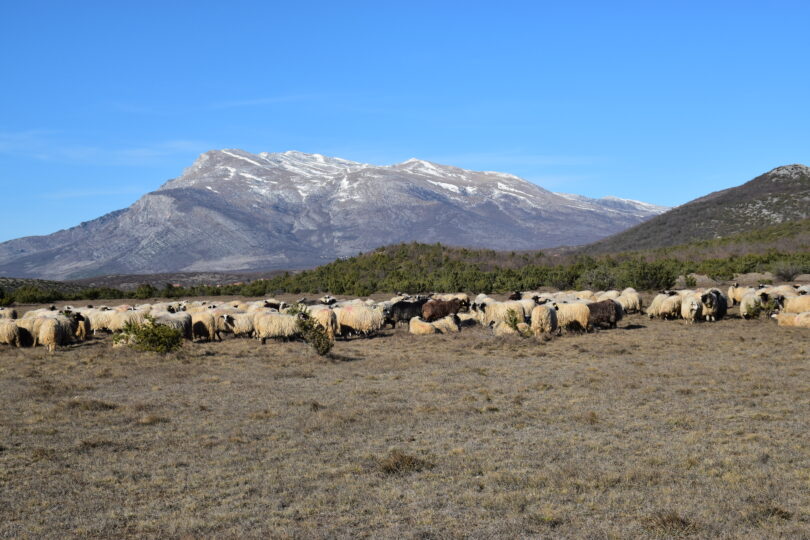
In Croatia, transhumant pastoralism developed mainly in Lika, the Croatian Littoral, and the inland areas of Dalmatia. During summer, herds were taken to the mountain pastures of Velebit, Dinara, and Biokovo, while in winter they were moved down to lowland and coastal regions. These movements were organized and regulated by historical agreements that defined grazing rights and the use of pastures.
In the 19th century, livestock farming formed the basis of the economy of Dalmatia, and the number of sheep and goats was among the highest in Europe relative to the size of the population. Seasonal pastoral movements continued until the mid-20th century. After the Second World War, and especially after the Croatian War of Independence, the number of livestock and organized seasonal movements declined sharply. Today, the traditional form of transhumance has almost disappeared, and many pastures are often left to overgrow.
The United Nations declared 2026 the International Year of Rangelands and Pastoralists (IYRP) in order to highlight their global importance. The initiative aims to raise awareness about the value of rangelands, promote sustainable grassland management, encourage responsible investment, and shape policies that protect pastoral communities and their way of life.
Rangelands cover a large portion of the Earth’s land surface and play a crucial role in preserving biodiversity, storing carbon, ensuring food security, and strengthening resilience to climate change.
The year 2026 represents an opportunity to once again recognize the value of traditional systems such as transhumance and their important role in nature conservation and the vitality of rural areas. By decision of the Intergovernmental Committee for the Safeguarding of the Intangible Cultural Heritage of UNESCO, adopted at its session in Kasane, Botswana, the multinational nomination was expanded, and Transhumance – the seasonal movement of livestock was inscribed on the Representative List of the Intangible Cultural Heritage of Humanity.
Celebrate the Year of pastoralism with us!
Throughout the year we are planning a series of activities aimed at bringing transhumance closer to the wider public, highlighting its value, and connecting people with pastoral traditions.
- Soon, in the new issue of our magazine “Pogled u divljinu” (A Look into the Wild), we will publish a popular-science article about the significance of transhumance, its history, and its role today.
- Lecture or lecture series – discussions with experts, livestock farmers, and researchers about the challenges and perspectives of pastoralism
- Exhibition
- Field excursion with hikers to visit livestock farmers
- Short film about transhumance – a documentary portrayal of the life of shepherds and the seasonal movement of livestock
- Photo competition encouraging the public to capture, through photography, scenes of pastures, livestock, and life in the mountains
Learn more from other sources!
- Official web page International Year of Rangelands and Pastoralists – IYRP
- Web article: Rethinking what we think we know about rangelands and pastoralism