

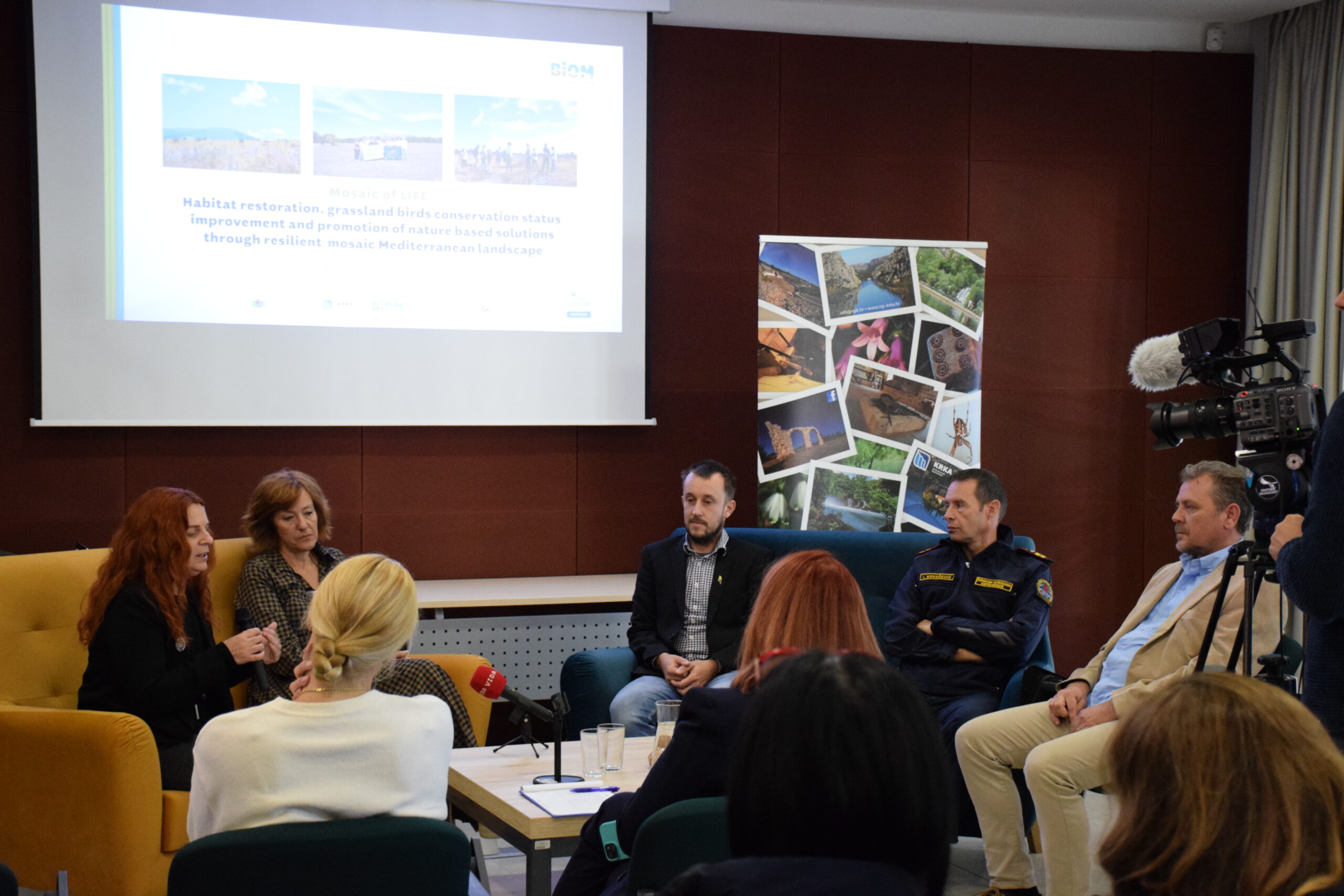
Habitat restoration, grassland birds conservation status improvement and promotion of nature based solutions through resilient mosaic Mediterranean landscape
LIFE24-NAT-HR-Mosaic-of-LIFE/101202651
- News
- About project
- Mosaic and challenges
- Project area
- Project partners
- Cooperation with the local community
- Publications
INTERNATIONAL YEAR OF RANGELANDS AND PASTORALISTS
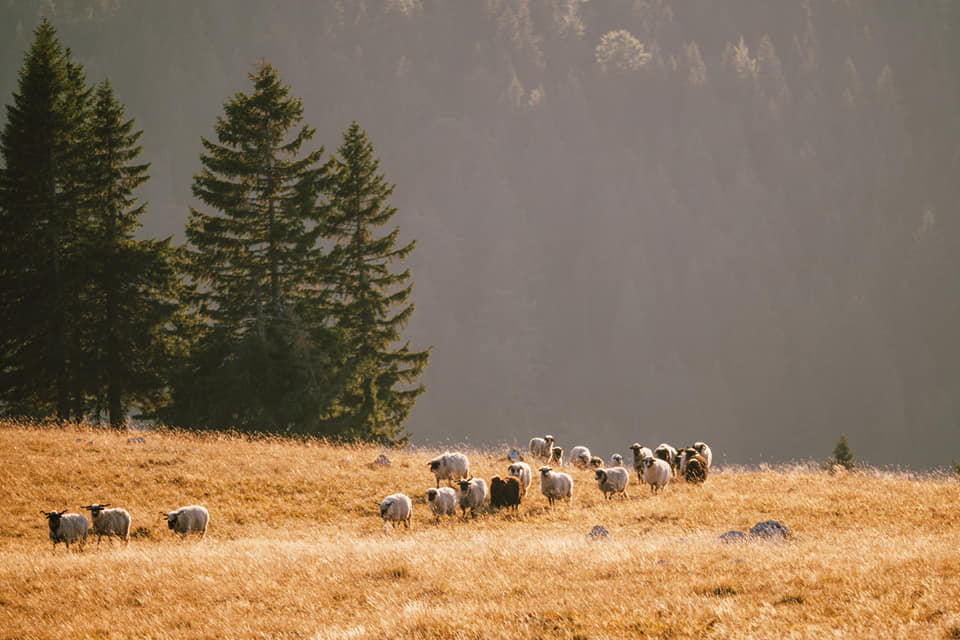
To give the mosaic landscape the much-needed attention it deserves, the United Nations declared 2026 the International Year of Rangelands and Pastoralists – IYRP. This initiative aims to raise awareness about the crucial role that pastures, extensive grazing and and local communities play in sustainable development, food security, and environmental conservation.

Full project name: Mosaic of LIFE – Habitat restoration, grassland birds conservation status improvement and promotion of nature based solutions through resilient mosaic Mediterranean landscape
Acronym: MOSAIC OF LIFE
Project reference: LIFE24-NAT-HR-Mosaic-of-LIFE/101202651
Project duration: 1 September 2025 – 31 August 2030
Total value: €4,850,315.57
The Mosaic of LIFE project is co-financed by the LIFE Programme of the European Union, the Office for Cooperation with NGOs of the Government of the Republic of Croatia, and the Environmental Protection and Energy Efficiency Fund.
Project coordinator: Biom Association
The Mosaic of LIFE project was designed as a concrete response to the biodiversity crisis and increasingly pronounced climate change, to restore and conserve grassland habitats and target bird species within eight Natura 2000 network sites in central Dalmatia. These are valuable natural areas that form an interconnected ecological unit, and the project is a continuation of the previously successfully implemented Dinara back to LIFE project, in which grassland restoration methods were tested for the first time in Croatia on a larger scale and significant cooperation with the local community was achieved.
Project objectives
To conduct the restoration activities on a minimum of 560 ha and improve management of additional 1020 ha of bush-encroached Natura 2000 target grasslands and significantly increase the number of nesting pairs of the four target bird species in the project area through upscaling activities and transfer of knowledge from the Dinara back to LIFE project to the wider region.
To empower livestock farmers, decision makers and other stakeholders to preserve the target Natura 2000 grassland habitats and associated species by improving the economic profitability of traditional extensive agriculture and boosting resilience to climate change.
To advocate for the preservation of the mosaic landscape by making it more resilient to climate change through the application of nature based solutions and the testing of legal options related to the Nature Restoration Law and national legislation.
To raise awareness about the importance of mosaic landscape conservation, target habitats and related species, and promote traditional agricultural practices and EU policies that contribute to solving existing challenges.
Activities
1. Project management and coordination
T.1.1 Coordination and administration of the project
T.1.2 Monitor and measure horizontal KPIs and project specific indicators
Restoration activities for improvement of Natura 2000 target grassland habitats and related target bird species conservation status
T.2.1 Collecting baseline data and defining status of the target grasslands and bird species
T.2.2 Selection of bush-encroached grasslands for restoration activities
T.2.3 Grassland restoration activities
T.2.3.1 Mechanical and manual removal of unwanted woody vegetation
T.2.3.2 Volunteer grassland restoration camps
T.2.3.3 Prescribed burning of bush encroached grasslands
T.2.4 Scattered micro-habitat improvements for resilient and biodiverse grasslands
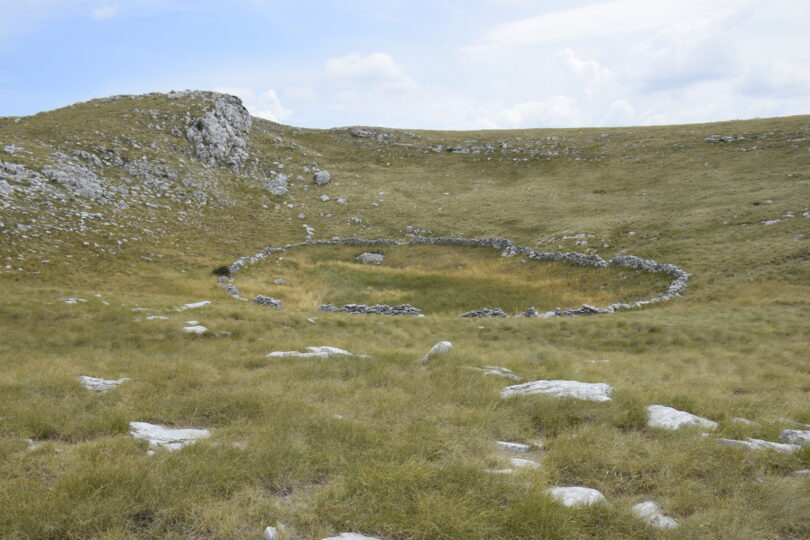
T.2.4.1 Restoration activities for ponds and wells supporting grassland use by wildlife and livestock
T.2.4.2 Restoration activities for disturbed grassland habitat in abandoned gravel mine using nature based solutions
3. Promotion of landscape mosaicism through nature-based solutions for wildfire prevention and habitat
T.3.1 Analysis of the landscape mosaicism of the project area
T.3.1.1 Gathering spatial data for the analysis of the landscape mosaicism
T.3.1.2 Analysis of the landscape mosaicism of the project area
T.3.2 Analysis of wildfire impactsand ecosystem services for landscape mosaicism preservation
T.3.3 Raising capacities for implementation of nature-based solutions for conservation of target Natura 2000 grasslands and birds and wildfire prevention
T.3.3.1 Capacity building for implementation of nature-based solutions among all relevant stakeholders
T.3.3.2 Best practice examples visit to Mediterranean country that have had big wildfires and learning from their experiences
T.3.4 Recommendations for preserving the landscape mosaicism and its integration into the Natura 2000 management plans
4. Empowerment of farmers for biodiversity friendly and sustainable grassland management
T.4.1 Baseline study of the conditions for livestock keeping in the project area and the establishment of cooperation with livestock keepers
T.4.1.1 Analysis of the current extent and distribution of grasslands included in agri/environmental/climate schemes for payment through CAP and depending livestock production
T.4.1.2 Establishment of strong cooperation with local farmers
T.4.2 Analysis of productivity and phenology of grasslands
T.4.3 Improvement/amelioration of the productivity of the grasslands in the project area
T.4.3.1 Development of the seed bank of the target grassland habitat types
T.4.3.2 Restoration of grasslands’ productivity by testing of novel sowing techniques
T.4.4 Supporting farmers for sustainable grassland management practices and biodiversity friendly effective grassland use
T.4.4.1 Livestock ethology data analysis
T.4.4.2 Improvement of grasslands maintenance and conservation status
T.4.4.3 Recommendations for the organization of pasture infrastructure and biodiversity friendly grassland use
5. Development of result based agri environmental scheme for grasslands
T.5.1 Drafting the result based agri environmental scheme for grasslands
T.5.1.1 Preparatory activities for drafting the proposal of the result based agri environmental scheme for grasslands
T.5.1.2 Drafting the proposal for result based agri environmental scheme for grasslands
T.5.2 Testing the draft result based agri environmental scheme for grasslands
T.5.3 Implementation of the result based agri environmental scheme for grasslands through CAP post-2027
6. Monitoring and evaluation
T.6.1 Birds monitoring
T.6.2 Grasslands monitoring
T.6.3 Monitoring of grassland productivity, phenology and improved agricultural practices
T.6.4 Monitoring of the drafting of the result based agri environmental scheme
T.6.5 Monitoring of socioeconomic impacts of the project
T.6.5.1 Socio-economic impacts on farm level
T.6.5.2 Socio economic impacts at the project area level
7. Education and awareness raising for promotion of grassland biodiversity
T.7.1 Education and awareness raising program for local population
T.7.2 Contribution to the promotion of local food products and services which are grassland biodiversity friendly
T.7.2.1 Promotion of products from native livestock breeds as a contribution to the maintenance of grasslands and related species in a favorable conservation status
T.7.2.2 Collection and processing of sheep’s wool as an additional potential source of income for shepherds
T.7.2.3 Support for marketing of grassland products
T.7.3 Awareness raising through sustainability themed events
T.7.4 Broadening awareness raising efforts outside the project area
T.7.4.1 Citizen science program
T.7.4.2 Educational component of volunteer camps for habitat restoration, restoration of ponds and dry stone walls
8. Communication, Dissemination & Visibility
T.8.1 Development of communication plan and general project communication
T.8.2 Promotive materials and visibility
T.8.3 Specialized communication campaigns
T.8.4 Project introduction and cooperation with stakeholders
T.8.5 Dissemination of Mosaic of LIFE project results
9. Sustainability, replication and exploitation of project results
T.9.1 Share experiences and best practices with other regional stakeholders
T.9.2 Networking with other
T.9.3 Guidelines for ensuring mosaicism and implementation of nature-based solutions in land management on landscape level
T.9.4 After-LIFE conservation plan
About the LIFE Programme
The LIFE Programme is an instrument of the European Union intended for financing activities in the fields of environmental protection, nature, and climate. The aim of the LIFE Programme is to contribute to the implementation, updating, and development of EU policies and legislation in the areas of environment, nature, and climate through co-financing projects that have European added value.
LIFE began as far back as 1992 (LIFE I: 1992–1995, LIFE II: 1996–1999, LIFE III: 2000–2006, LIFE+: 2007–2013, and LIFE 2014–2020), since when more than 5,000 projects have been co-financed.
Through the LIFE Programme, the European Union aims to contribute to the protection and improvement of environmental quality and to reduce the impact of climate change by financing innovative projects that will contribute to the transition to a low-carbon economy that efficiently uses resources, as well as financing projects to halt and reverse biodiversity loss and combat ecosystem degradation.
More about LIFE Programme find here and here.
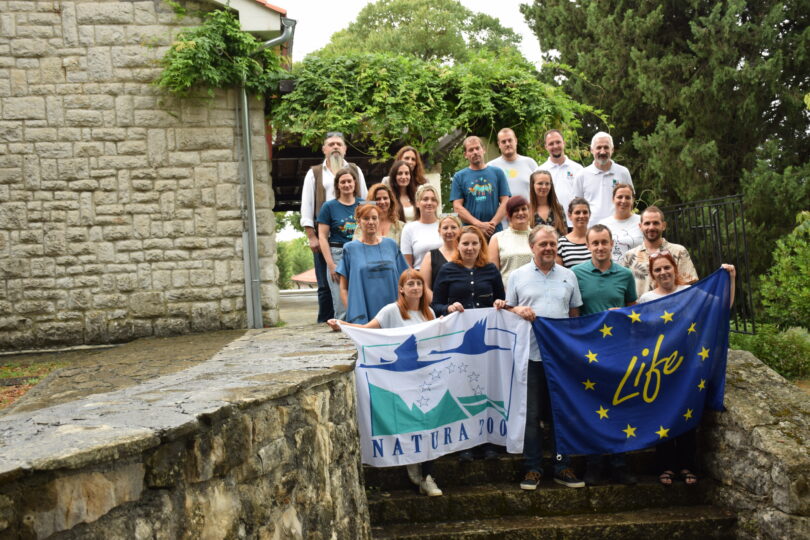
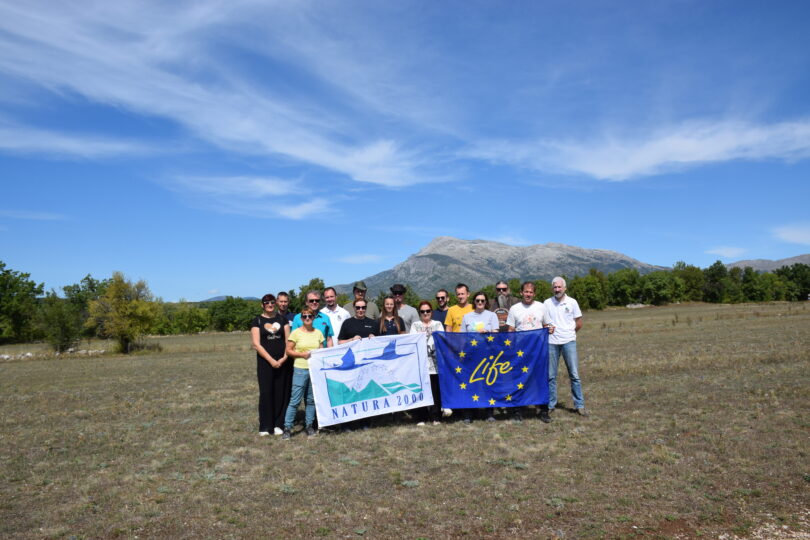
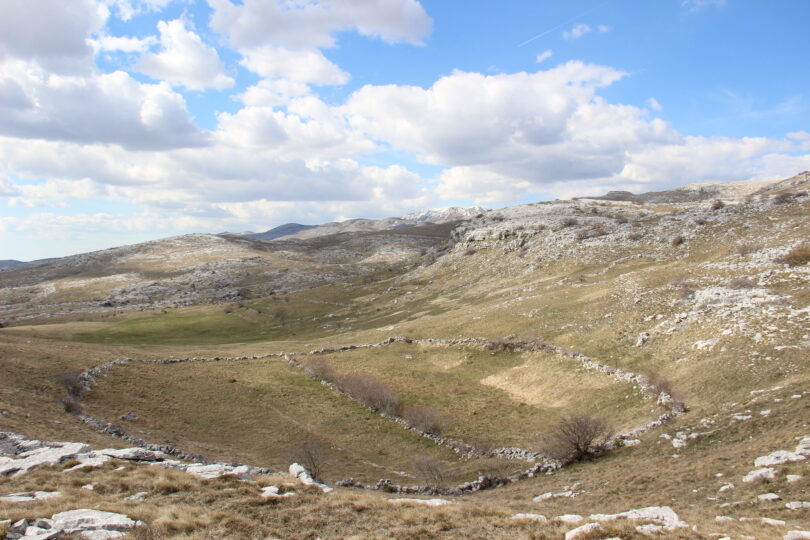
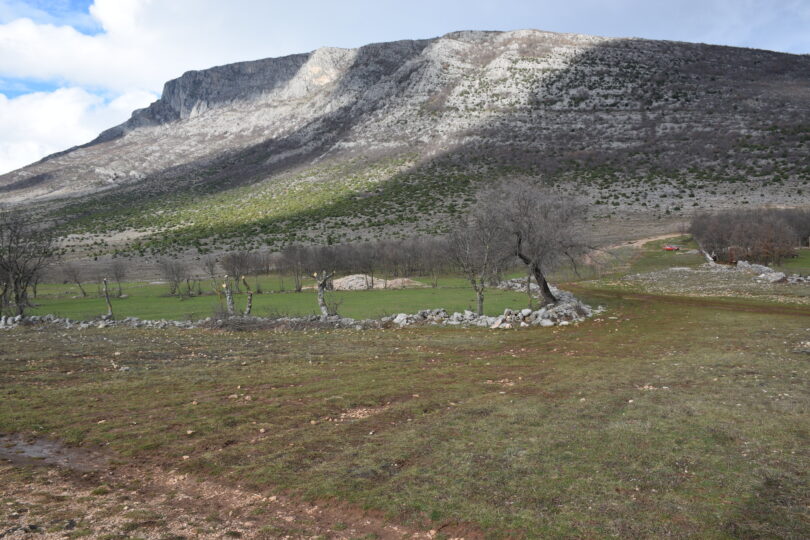
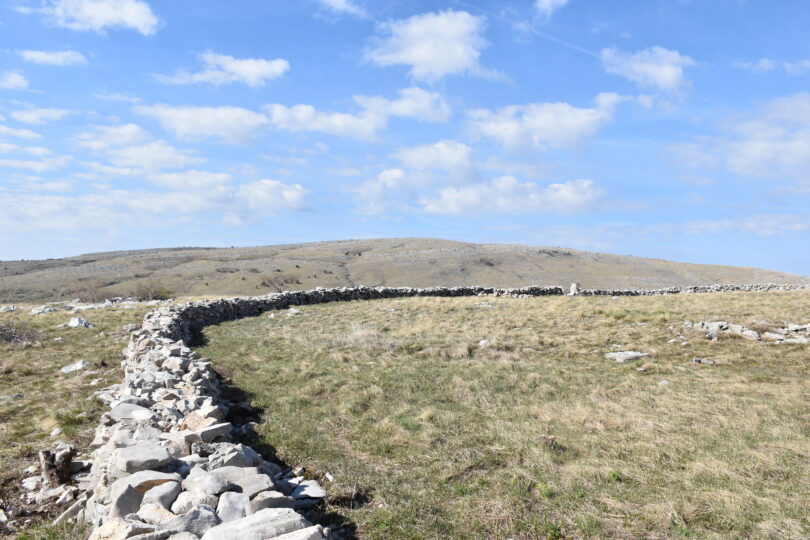
Landscape mosaic
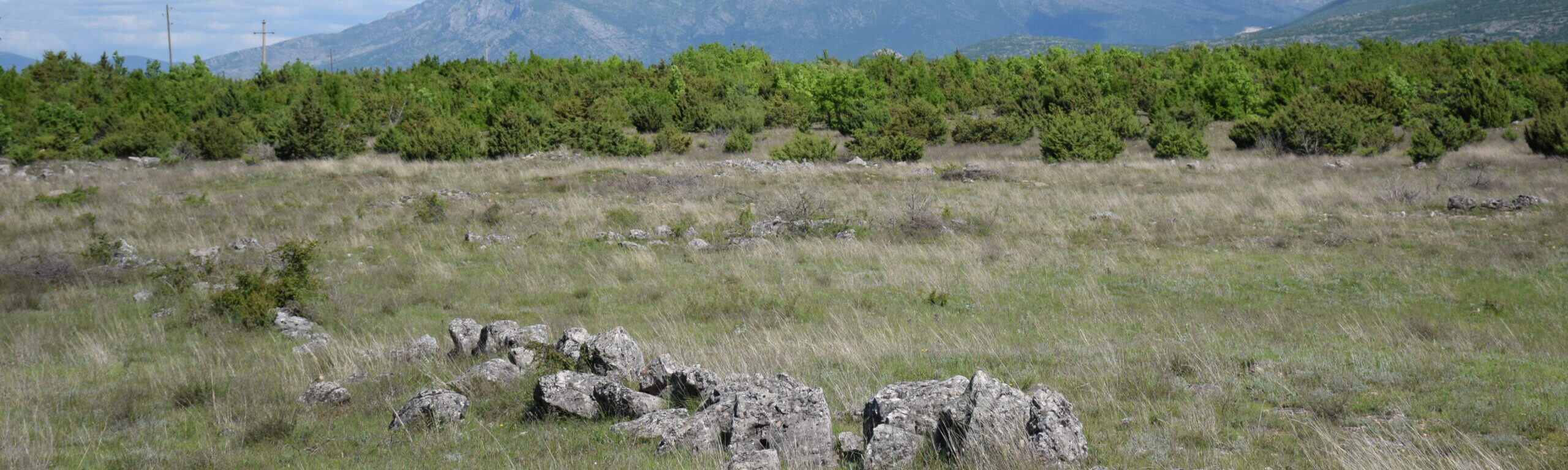
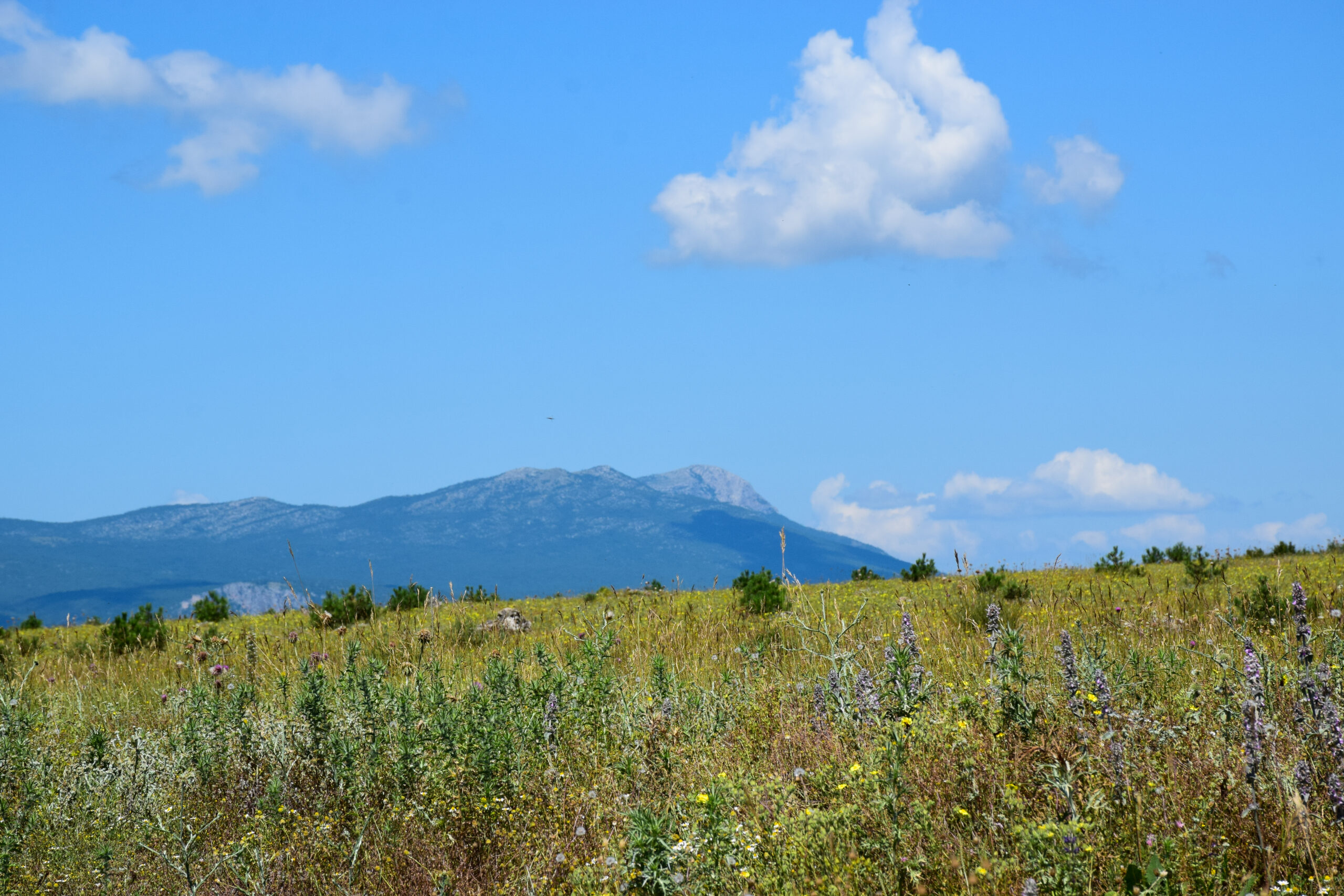
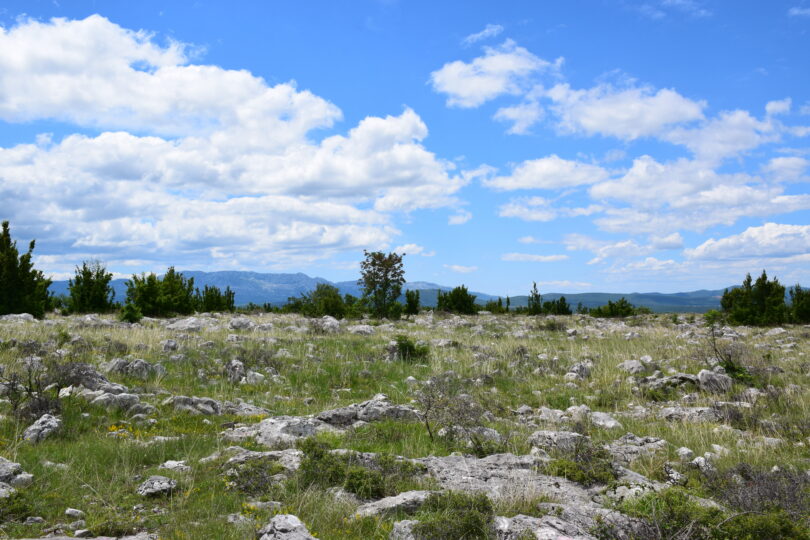
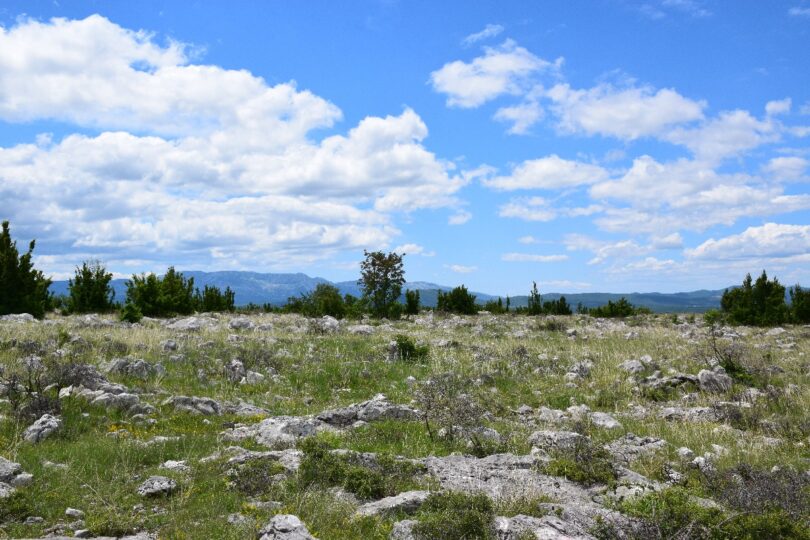
Mosaicism is a landscape pattern in which different habitats coexist, such as forests, grasslands, rocky areas and arable land. Mosaic landscapes enable the simultaneous functioning of various human activities and support high biodiversity.
Habitats
The most valuable habitats of this area, which have been gradually disappearing for decades, are various types of grasslands. In karst regions, grasslands develop under the influence of a range of factors, such as terrain slope, soil depth, occasional flooding and altitude, which also determines temperatures and precipitation levels. Due to the diverse natural conditions in which they form, these grasslands support different plant and animal communities, which has over the time led to different forms of their traditional use.
Natura 2000 is a network of protected areas at the EU level, designated based on expert knowledge about natural values, primarily formed to protect endangered species and habitats.
Saznaj više o travnjacima
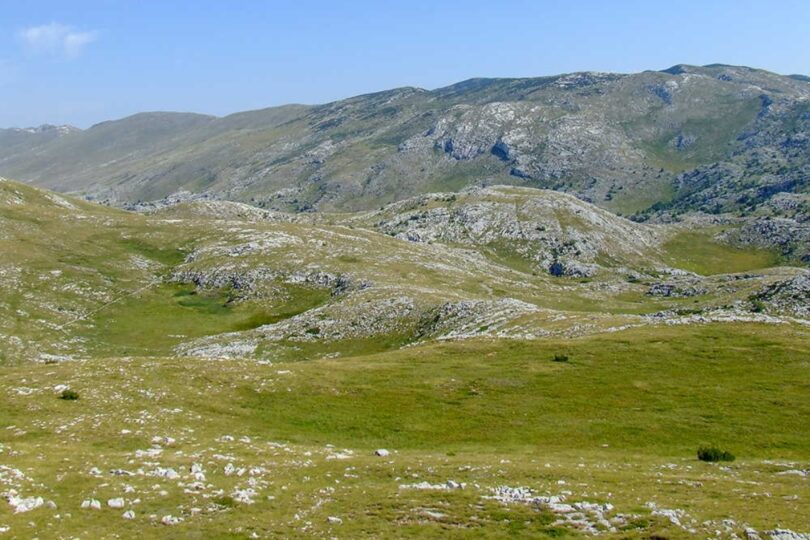
Semi-natural dry grasslands and scrubland facies on calcareous substrates (Festuco-Brometalia) (* important orchid sites)
This habitat type encompasses dry grasslands in the hilly parts of continental Croatia and the Dalmatian hinterland, which develop on steep limestone-rich slopes. Numerous orchid species that are often associated with these grasslands are included in this richness. Since they are located in predominantly hilly areas of Croatia, where fewer and fewer people and livestock live, they are rarely maintained and today are mostly in various stages of succession towards scrub and forest. The project area covers relatively small areas of this habitat type in the northwestern part of Mt Dinara, north of the Badanj peak. They were traditionally used as hay meadows, which enabled the development of diverse and rich flora, and due to the inaccessibility of the terrain, they have not been studied in scientific detail until now.
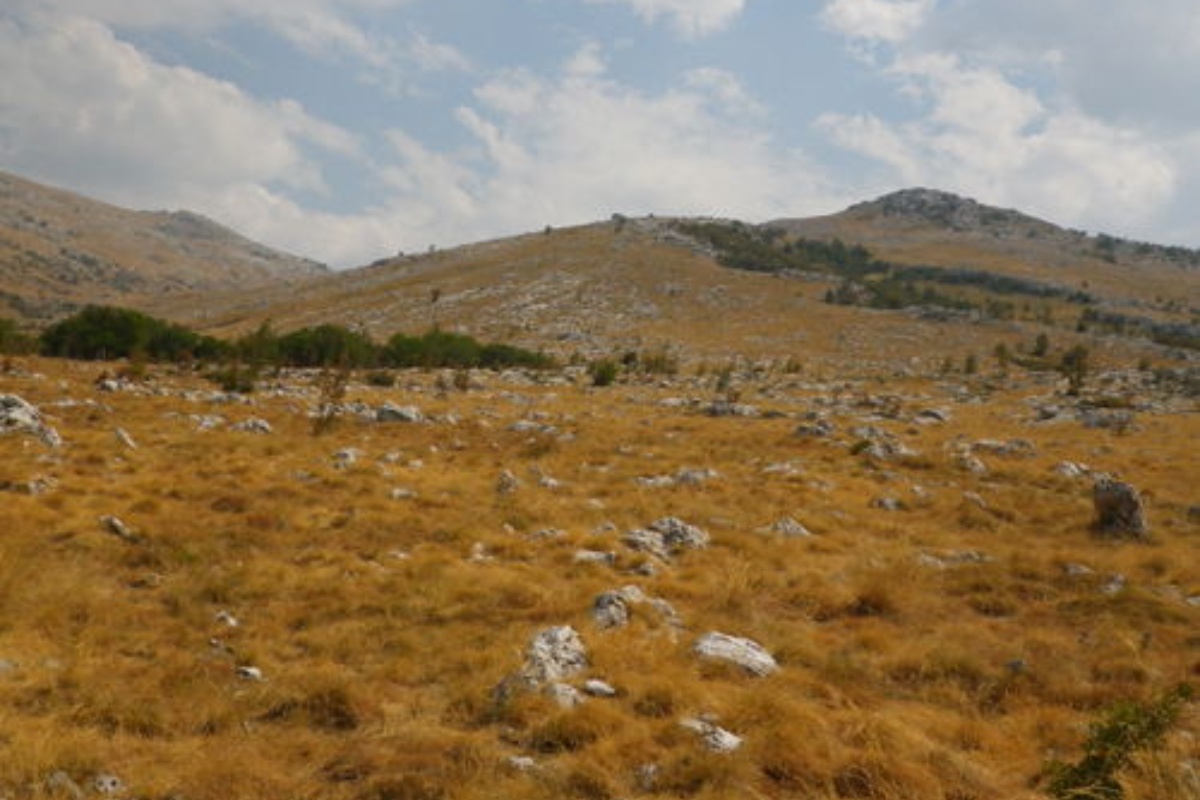
Eastern sub-mediteranean dry grasslands (Scorzoneratalia villosae)
This habitat type covers large areas of rocky grasslands along the eastern coast of the Adriatic Sea, developed on coastal slopes and areas exposed to the bora wind. In the hinterland, it covers areas that develop in hilly and mountainous regions reached by Mediterranean influence. As these are grasslands with a large proportion of rock in the substrate, they were mainly used as pastures. Although they give the impression of poor and meagre grasslands, these grasslands contain a great diversity of plant species, many of which are endemic to the eastern Adriatic coast and represent an exceptional natural richness of the Mediterranean part of Croatia.
In the project area, they represent the dominant grassland type and occupy relatively large areas, encompassing most grassland surfaces of the lowland and hilly zones (up to 900 m). In the past, they were intensively used for extensive livestock keeping and, in addition to grazing, were maintained through controlled burning. Due to the decreasing needs in extensive livestock keeping, the necessary grazing and burning on larger areas are absent, leading to the gradual succession of this grassland type towards scrubland.
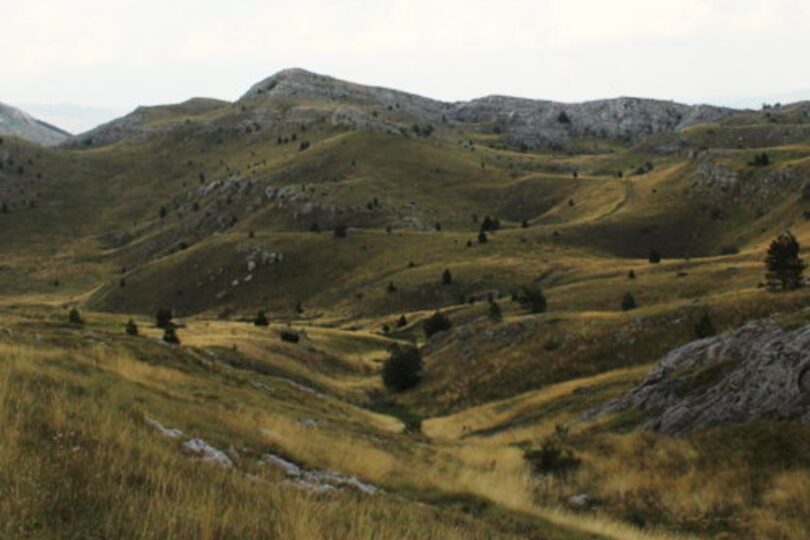
Alpine and Sub-Alpine Calcareous Grasslands
This habitat type encompasses alpine grasslands that develop mainly above the treeline and are distributed around the mountain peaks of our highest mountains. These grasslands often develop in areas exposed to extreme climatic conditions, such as strong winds and low temperatures, which prevent the development of forest vegetation. Additionally, in less exposed areas, these grasslands were created by clearing sub-alpine forests. The flora of these grasslands is significantly different from other grassland habitats.
In the project area, these grasslands are present at higher altitudes (above 900 m) and surround the highest peaks of Dinara mountain. They were traditionally intensively used for summer grazing and as hay meadows by shepherds, a practice that has almost completely died out in recent decades. Today, these areas are mostly in a phase of woody vegetation expansion (due to climate change) at the expense of grassland areas, which also increases the risk of summer fires. Summer fires have an extremely negative impact on these grasslands because, in addition to grass, the fire also destroys the humus layer.
Bird species
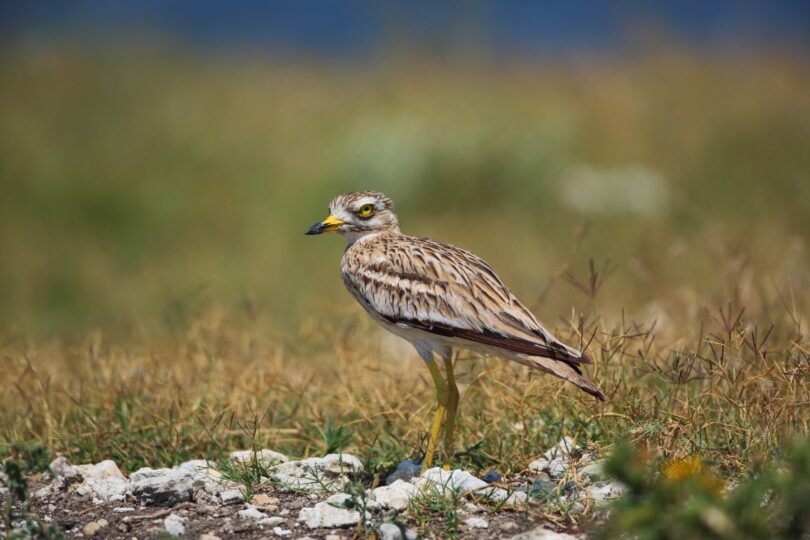
Foto: Vaclav Volrab
Stone curlew – Burhinus oedicnemus
This unusual bird from the wader order chooses dry, bare areas with very low vegetation instead of wetland habitats. It can be found on low dry grasslands, rocky pastures, bare rocky grounds, sandy areas, and similar “desolate” landscapes, but only during the warmer part of the year as it winters in Africa.
The stone curlew is a bird of distinctive appearance. It is medium-sized, characterised by large yellow eyes, a strong bill, and long legs. In flight, it is recognisable by its dark wings with a white “window.” Its movement is secretive, and when disturbed, it runs holding its body in a horizontal position, tucking its head between its shoulders. It is more active at dusk and at night.
Stone curlews are sociable birds and gather in flocks for communal feeding and other activities. They are monogamous; it is assumed that their bonds are lifelong, and they usually lay 2 eggs in a depression on the ground. They predominantly feed on insects and other small invertebrates, and occasionally on small reptiles, frogs and rodents.
Short-toed lark – Calandrella brachydactyla
The short-toed lark is a medium-sized songbird with brown-and-white plumage. It is a breeding species in Croatia, distributed across Istria, Primorje and Dalmatia. It inhabits dry grasslands and agricultural areas with low vegetation. The reasons for its endangerment lie in the abandonment of traditional extensive livestock keeping, which leads to grassland succession towards scrublands, or in the intensification of agriculture and the disappearance of suitable habitats.
It nests and feeds on the ground, and spends nights in shallow depressions that it digs itself. They are partial migrants; a small number may overwinter. About 85% of the total Croatian population of the short-toed lark used to breed in seven Important Bird Areas that are also Natura 2000 areas, including the Dinara and Krka areas, but this number has greatly declined, except in the restored dry grassland area below Dinara.
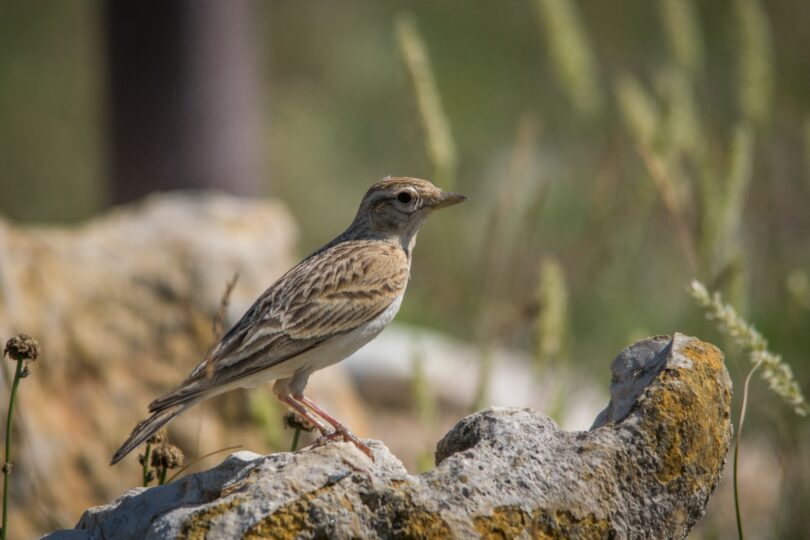
Foto: Biljana Ječmenica

Foto: grishahasanov iNaturalist
Tawny pipit – Anthus campestris
The tawny pipit is a medium-sized songbird, similar in colouration to larks but lighter and more slender, with a thinner bill and longer legs. It is a species of dry grasslands but is considerably more adaptable than the short-toed lark and calandra lark, breeding equally on flat habitats and on slopes. It can also live at various altitudes, from sea level to the peaks of our coastal mountains. It nests on the ground and is a migrant that winters in the Sahel. It is also becoming increasingly rare because it is threatened by the bush encroachment of dry grasslands.
Calandra Lark – Melanocorypha calandra
The calandra lark is a relatively large songbird, the largest of our larks. Like other larks, it has cryptic brown colouration. It is characterised by a strong bill for feeding on seeds. It is a thermophilic species of dry coastal grasslands. It was once distributed in Croatia from Istria to Prevlaka but is now only locally present, primarily due to dry grassland succession towards scrubland. It is a resident species but is not permanently tied to the same area, and in winter it can be seen far from breeding sites. Like other larks, it nests and sleeps on the ground and can sing both in flight and from a perch. In the Krka area, it used to breed in large numbers until about 20 years ago, but now only a few pairs remain at a single site.
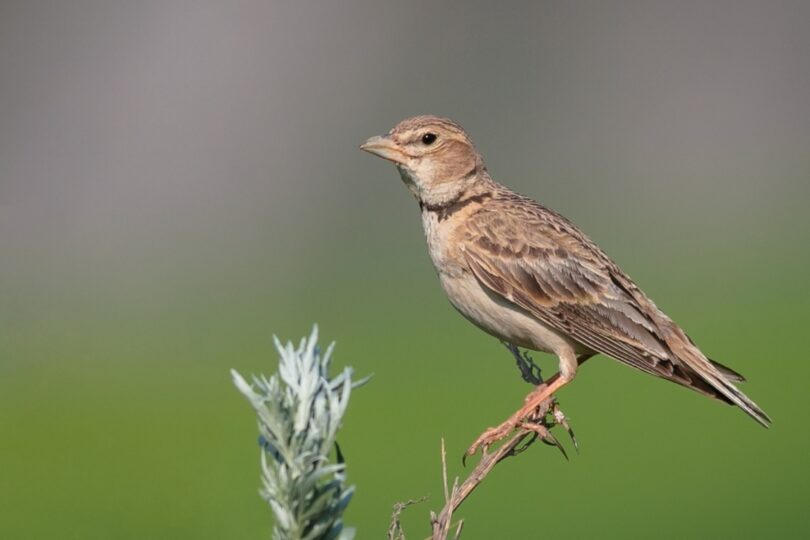
Foto: tatiana_menshikova iNaturalist
Challenges and threats
The greatest threat to grassland species is the succession of grasslands with woody vegetation — the spread of trees and shrubs. As a result, grasslands disappear, and their restoration becomes increasingly difficult. Many species that depend on open grasslands are extremely sensitive even to a small proportion of woody vegetation, because with its appearance come species that hide, nest, or hunt prey from trees and shrubs, further competing with species typical for open habitats.
The absence of grazing represents an additional threat, even on grasslands that have not yet become overgrown. Without regular grazing, dense, tall grass develops that favours a smaller number of specialised grassland species.
Disturbance of nature during the breeding season is also an increasingly pronounced problem. Since open grasslands are now rare and often very small in area, species cannot easily retreat to a safe part of the habitat during short-term disturbance because it no longer exists — the grasslands are surrounded by scrub. Additional pressures come from prolonged, multi-day activities such as film shoots, concerts, construction works, and the use of loud tools and machinery. Such activities often take place precisely at these locations because of their traditional and distinctive appearance, further disturbing the peace of the last preserved areas
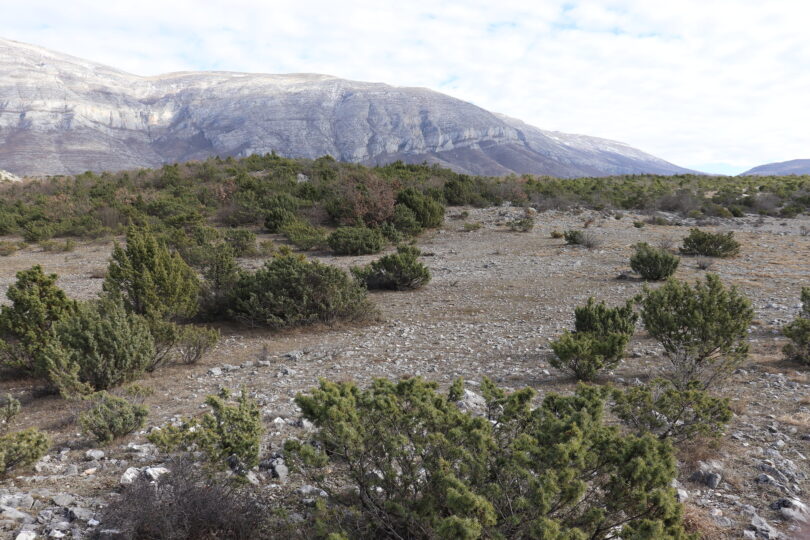
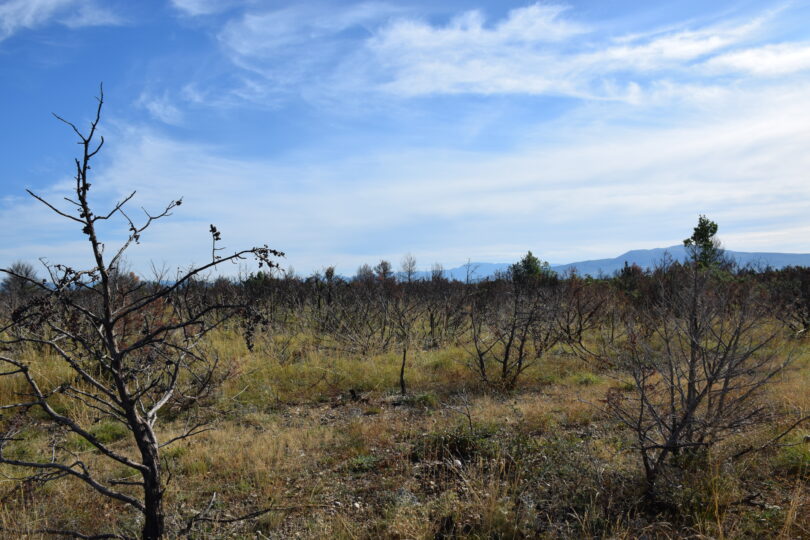
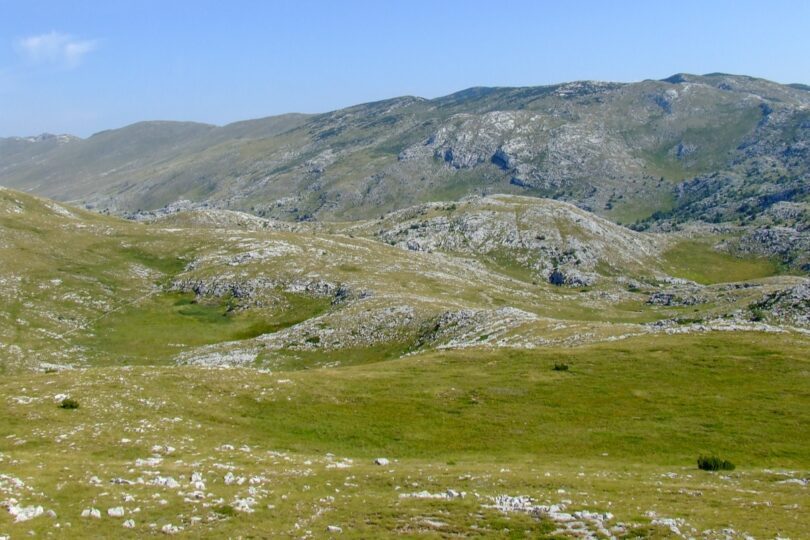
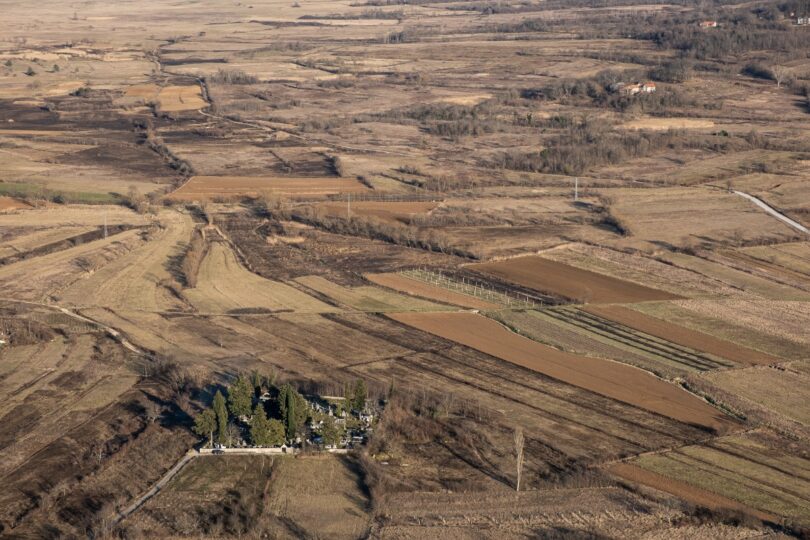
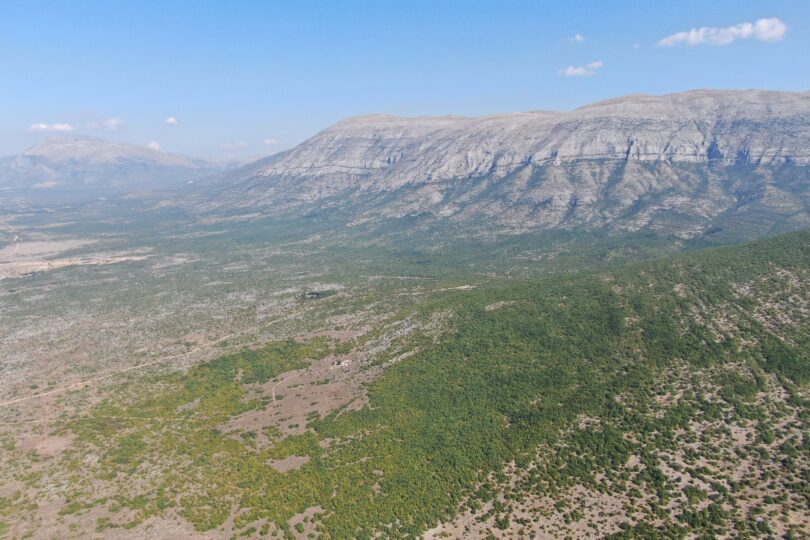
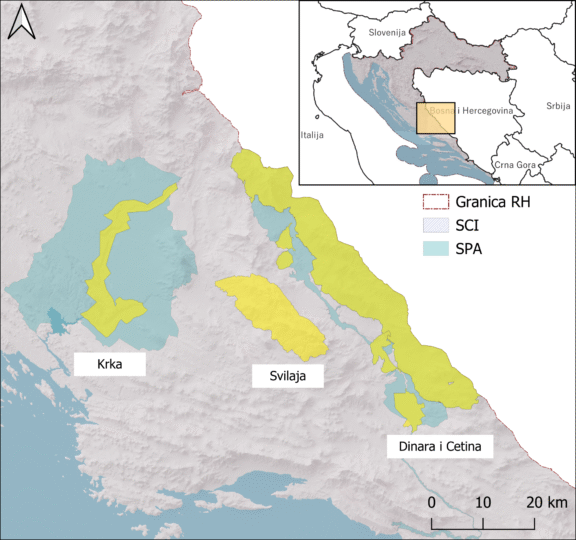
The Mosaic of LIFE project area encompasses the Dinara and Svilaja mountains and the wider area around the Krka river canyon. However, it does not cover all of this territory but rather areas that are part of the Natura 2000 network.
Natura 2000 habitat types
- 6170 – Alpine and sub-alpine calcareous grasslands
- 6210 – Semi-natural dry grasslands (Festuco-Brometalia) (*important orchid sites)
- 62A0 – Eastern sub-mediterranean dry grasslands (Scorzoneratalia villosae)
- 6540 – Sub-Mediterranean grasslands of the Molinio-Hordeion secalini
Natura 2000 Sites
SCIs and SACs (Sites of Community Importance and Special Areas of Conservation ):
- SCI and SAC HR2000918 (Wider area of Krka National Park)
- SCI HR2000922 (Svilaja)
- SCI HR2001313 (Middle course of Cetina with Hrvatačko and Sinjsko fields)
- SCI HR2001314 (Spring area of Cetina with Paško and Vrličko fields)
- SCI HR5000028 (Dinara)
SPAs (Special Protection Areas):
- HR1000026 (Krka and surrounding plateau)
- HR1000028 (Dinara)
- HR1000029 (Cetina)
Biom Association
Biom Association is one of the leading civil society organisations for nature conservation in Croatia. It has been active since 2006 and is the Croatian partner of BirdLife International, the world’s largest network for the protection of birds and nature. BIOM works on the protection and research of wild birds, other species and their habitats, combating poaching, and raising awareness about the importance of nature conservation. The association brings together nature enthusiasts, organises volunteer programmes and educational activities for children and adults. It is well connected with key stakeholders in the nature conservation sector and has extensive experience in implementing national and international projects, including the coordination of three LIFE projects.
Contact:
Čazmanska 2,
Zagreb
Matića 12, Sinj
e-mail: info(at)biom.hr

Krka National Park Public Institution
Krka National Park Public Institution manages the Krka NP area and surrounding Natura 2000 ecological network areas. The Krka River was declared a national park in 1985, and the total area of the Park is 11,063.68 ha, with a relatively large proportion of grasslands.
Contact:
Trg Ivana Pavla II. br. 5,
Šibenik
+385 22 201 741
e-mail: info(at)npk.hr
Ecological Association “Krka” Knin
The Ecological Association “Krka” Knin was founded in 2004 in Knin with the aim of environmental preservation and protection. It operates in the fields of nature conservation, education, sustainable development, and social activities. It has four locations in Šibenik-Knin County.
Contact:
Tvrtkova 3, Knin
+385 22 664 608
e-mail: eko.udruga.krka(at)gmail.com
Faculty of Agriculture, University of Zagreb
The Faculty of Agriculture of the University of Zagreb is Croatia’s leading institution in the field of agriculture and related sciences. The Faculty has extensive experience in research and education on grassland management and forage production.
Contact:
Svetošimunska cesta 25,
Zagreb
e-mail: hkutnjak(at)agr.hr
Fire Brigade Community of Split-Dalmatia County
The Fire Brigade Community of Split-Dalmatia County is responsible for coordinating and supporting fire brigades throughout the county. It oversees fire prevention activities.
Contact:
Hercegovačka 18, Split
+385 21 383 756
e-mail: vzsdz(at)st.t-com.hr
PRIDRUŽENI PARTNERI
If you are engaged in livestock farming or any other branch of agriculture that involves grasslands and their conservation, or if you are planning to do so in the Mosaic of LIFE project implementation area, this is the right place for you.
Here you can find information about cooperation opportunities and express your interest.
One of the goals of the Mosaic of LIFE project is the restoration of overgrown grasslands, which will be carried out using various methods. By restoring grasslands, we create new areas for grazing, and through additional project activities, we support the development of extensive livestock farming and sustainable grassland use that contributes to the conservation of grassland-associated biodiversity.
Why Is It Important?
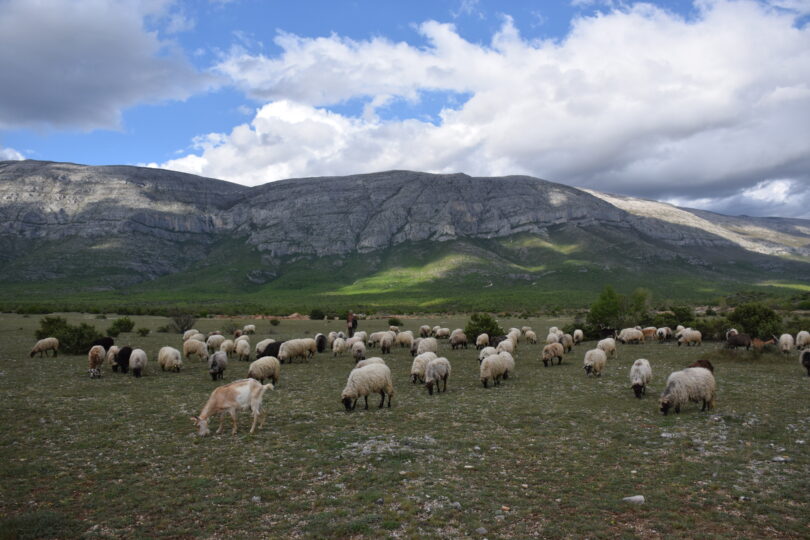
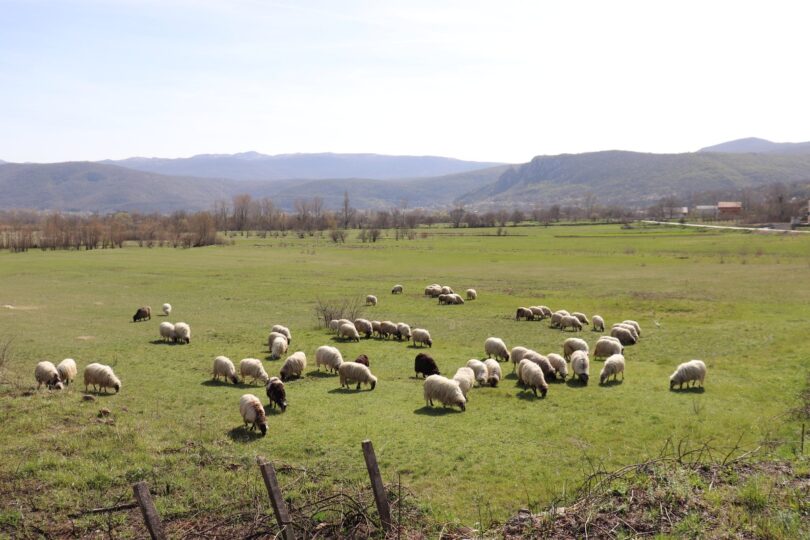
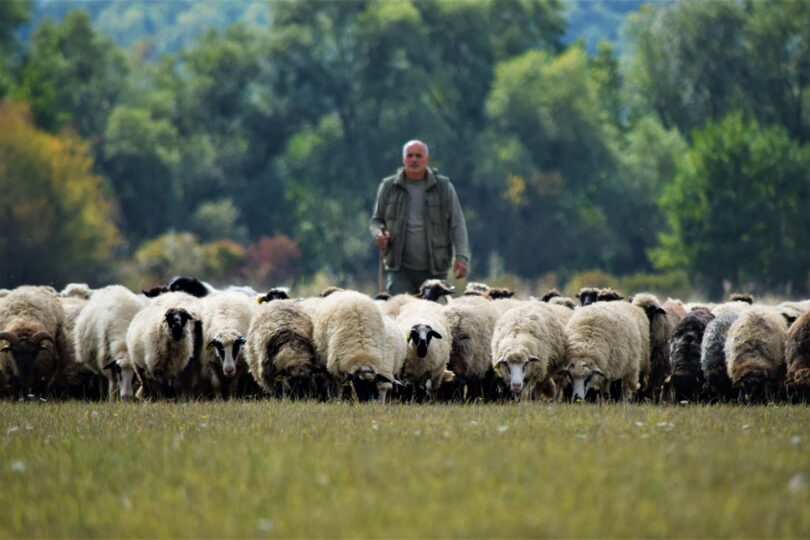
Livestock farming has shaped and maintained the typical Mediterranean mosaic landscape for centuries. As mixed herds moved through the landscape, animals grazed or browsed individual plant species, leaving behind clean and tidy surfaces. This natural, sustainable yet challenging way of grassland conservation proved to be extremely important, but due to waves of emigration and declining livestock farming, grasslands are mostly becoming overgrown. It is simple: less livestock means more overgrown areas.
The conservation of species and habitats is inseparable from extensive livestock farming and other branches of agriculture on karst, but there are fewer and fewer people doing this commendable work, which is key to preserving biodiversity and the mosaicism of our landscape. Today’s herds, often composed of only one species of animal, are less effective at maintaining grasslands because a particular animal species avoids feeding on certain, often thorny or bitter plant species, which then become dominant over time, leading to pasture succession mainly into shrub-like vegetation.
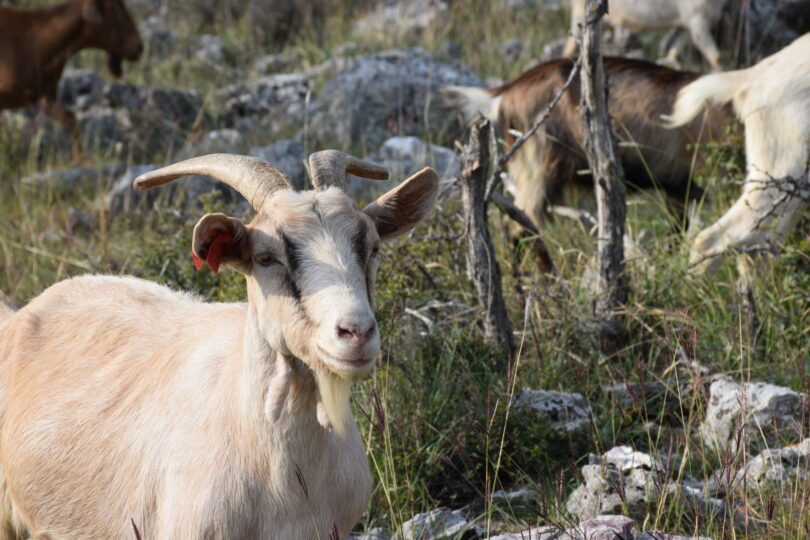
Aktivnosti u koje želimo uključiti stočare i poljoprivrednike
Removal of Unwanted Woody Species from Grasslands
In the project area, we plan activities to remove unwanted woody vegetation from at least 560 hectares of overgrown grasslands.
Focused Grazing with Mixed Herds
For the long-term and genuine restoration of grasslands, it is essential to ensure adequate grazing. Each animal species grazes or browses in a different way. This is precisely why mixed herds have special value. In the Mosaic of LIFE project, we plan to encourage livestock farmers to establish and maintain mixed herds through at least 20 contracts.
U sklopu projekta Dinara back to LIFE testirali smo ovu mjeru kroz sklapanje ugovora sa stočarima, čime smo potaknuli formiranje mješovitih stada na projektnim ciljnim travnjacima. U postojeća matična stada uvedeni su magarci, buše i konji, koji su dodatno unaprijedili kvalitetu ispaše i pridonijeli boljem upravljanju travnjačkim područjima.
U projektu Mosaic of LIFE planiramo nastaviti s ovom praksom te kroz najmanje 20 ugovora potaknuti stočare na uspostavu i održavanje mješovitih stada na ciljnim područjima.
Uvjeti prihvatljivosti za sudjelovanje uključuju:
- registrirani OPG ili drugi pravni oblik poljoprivrednog gospodarstva
- pravno regulirano pravo napasivanja na projektnim ciljnim područjima
- prihvaćanje ostalih ugovornih obveza definiranih projektom
Na taj način želimo osigurati održivu, plansku i dugoročnu obnovu travnjaka uz aktivno sudjelovanje lokalnih stočara.
Wool collection and transport
More information coming soon!
Lending of Electric Sheep Shears
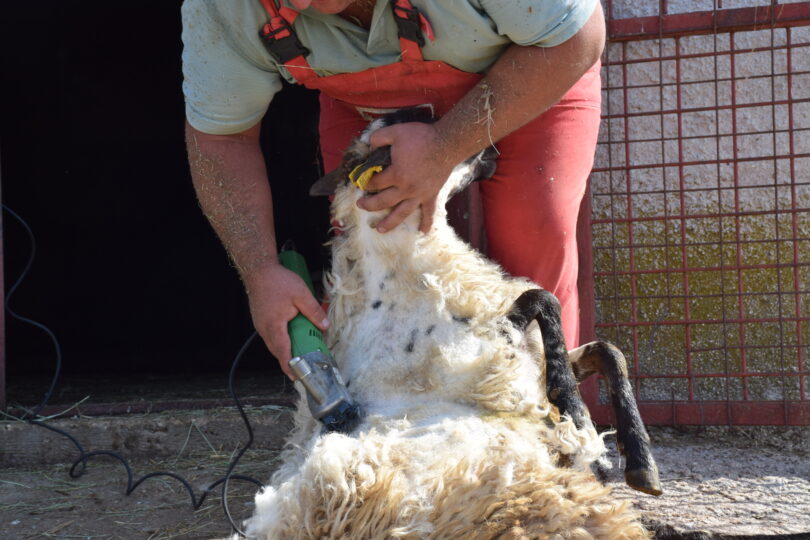
To make this work easier and reduce the physical burden on livestock farmers, through the project we plan to purchase at least 10 electric wool shears. The equipment will be made available to sheep farmers on a lending basis.
Electric Fences
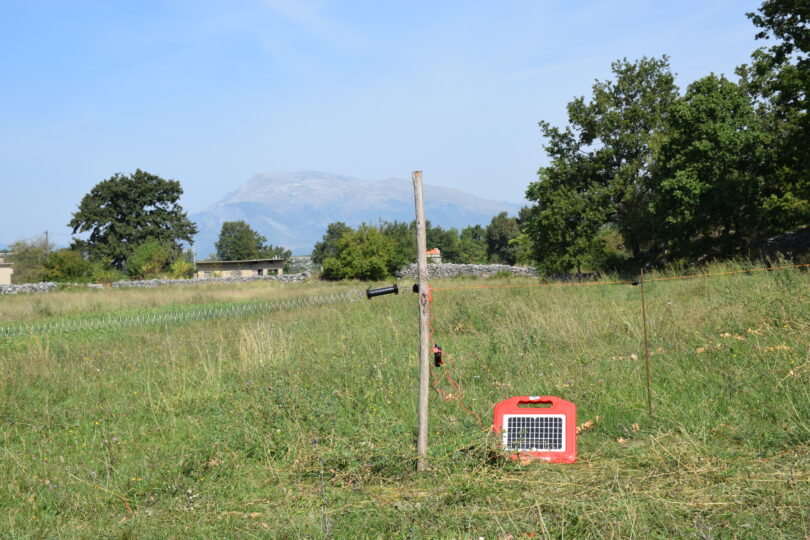
Through the project we plan to purchase at least 20 sets of electric fences. The equipment will be made available to local livestock farmers, with clearly defined conditions and obligations prescribed by a usage agreement.
Testing flushing devices during hay meadow mowing
The project plans to contract at least 20 owners or users of hay meadows who are willing to test the use of flushing devices on mowers and adapted mowing methods.
Analysis of pasture use using GPS collars
Testing the results-based measure for grasslands
In preparation – more information soon!
Visit to a good practice example
In preparation – more information soon!
Support for branding and product promotion
In preparation – more information soon!
Consultancy support
In preparation – more information soon!
In finding and establishing contact with livestock farmers and other interested agricultural producers and stakeholders, your feedback is essential to us. We do not know the entire terrain and all potentially interested stakeholders, which is why we invite you to take a step and reach out to us.
Fill out the questionnaire for livestock farmers and express your interest in cooperation.
If you are unable to complete the online questionnaire, you can download it, fill it out manually, and deliver it to us in person. Download the questionnaire here
Why is it important to participate in the advisory council meetings?
At the meetings, we present plans and activities and open space for your questions, suggestions, and comments. Your feedback helps us adapt project implementation to the real needs on the ground.
Follow the project and receive the newsletter!
By following the project and subscribing to the newsletter, you regularly receive the latest information about activities, results, and opportunities for involvement.

Here you can explore publications, reports, and other materials created as part of the Mosaic of LIFE project
Reports
Expert studies and guidlines
Brochures
Posters
Leaflets
Questionnaires
Contact
project.mosaicoflife@gmail.com
Project partners

Associated partners
The Mosaic of LIFE project is co-financed by the LIFE Programme of the European Union, the Office for Cooperation with NGOs of the Government of the Republic of Croatia, and the Environmental Protection and Energy Efficiency Fund.