


Project name
Management planning and restoration of Dinara dry grasslands to save biodiversity and support sustainable development
Project duration:
15.1.2020. – 15.7.2023.
Total project budget:
1.296.509€
Sources of funding: EU (Programme LIFE): EU , The Environmental Protection and Energy Efficiency Fund, own contribution
Lead beneficiary:
Udruga Biom
Partners:
Hrvatske šume d.d., Sveučilište u Zagrebu Agronomski fakultet, Lokalna akcijska grupa „Cetinska krajina“
Contact:
Tomislav Hudina, tomislav.hudina[at]biom.hr, project manager
Web page:
Project goals:
Contribute to more favourable conservation status of target habitat types and species
Reduce negative influence of wildfires and demonstrate the positive impact of controlled burning
Develop guidelines for dry grassland restoration and sustainable management
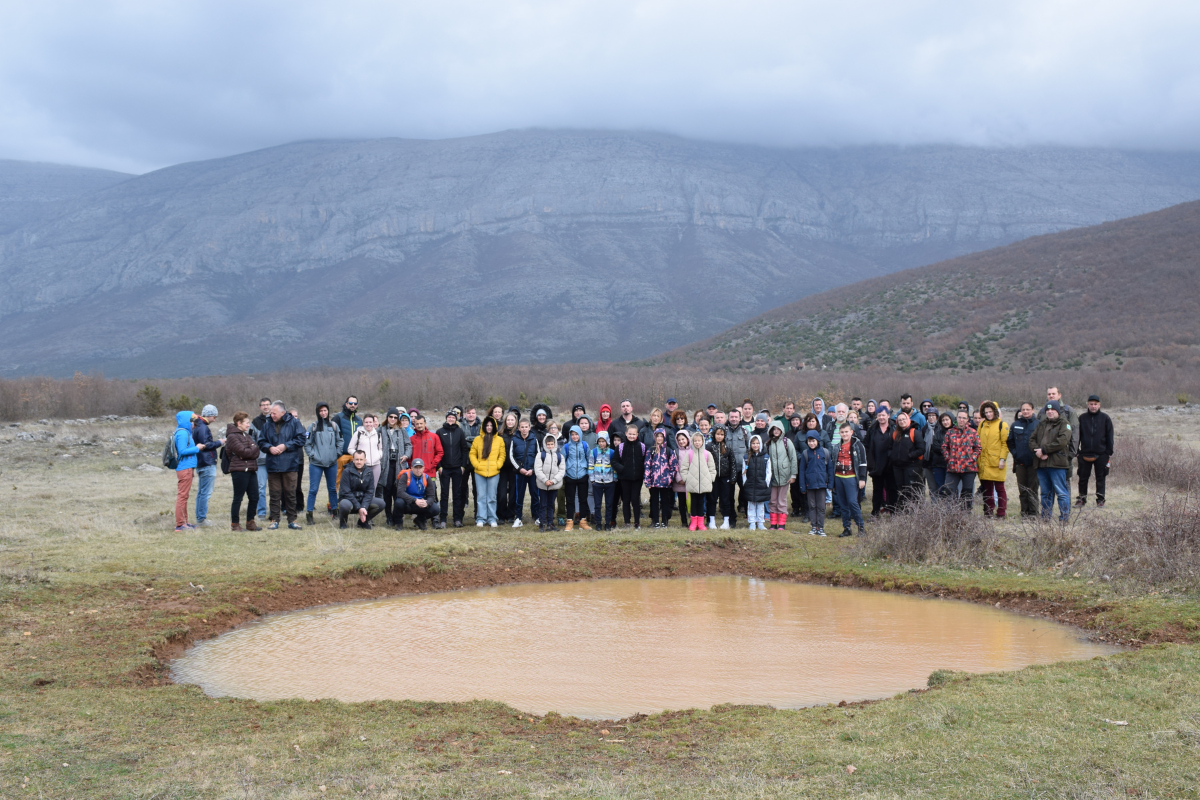
Build capacity of local community stakeholders for sustainable management and promote EU instruments for nature conservation
Project summary
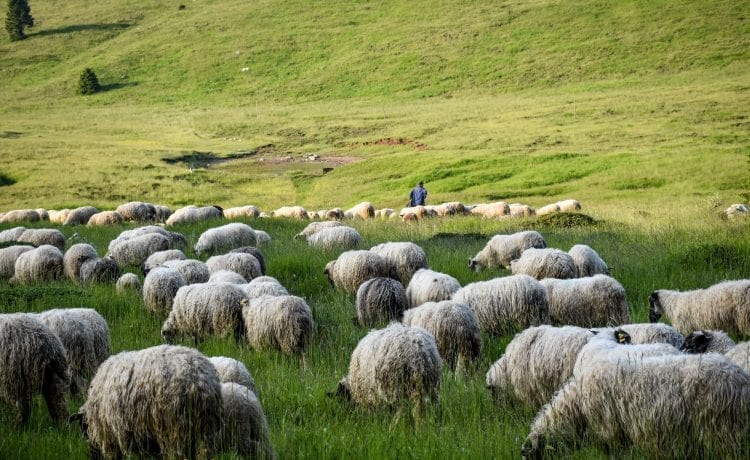
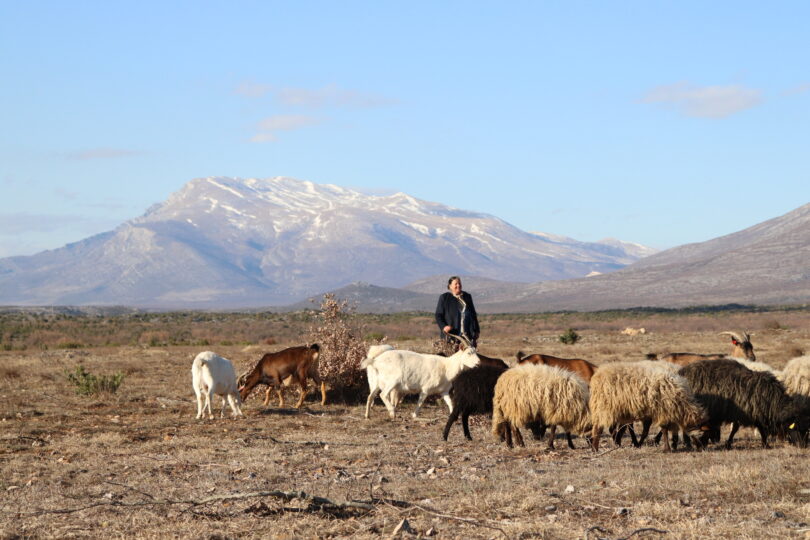
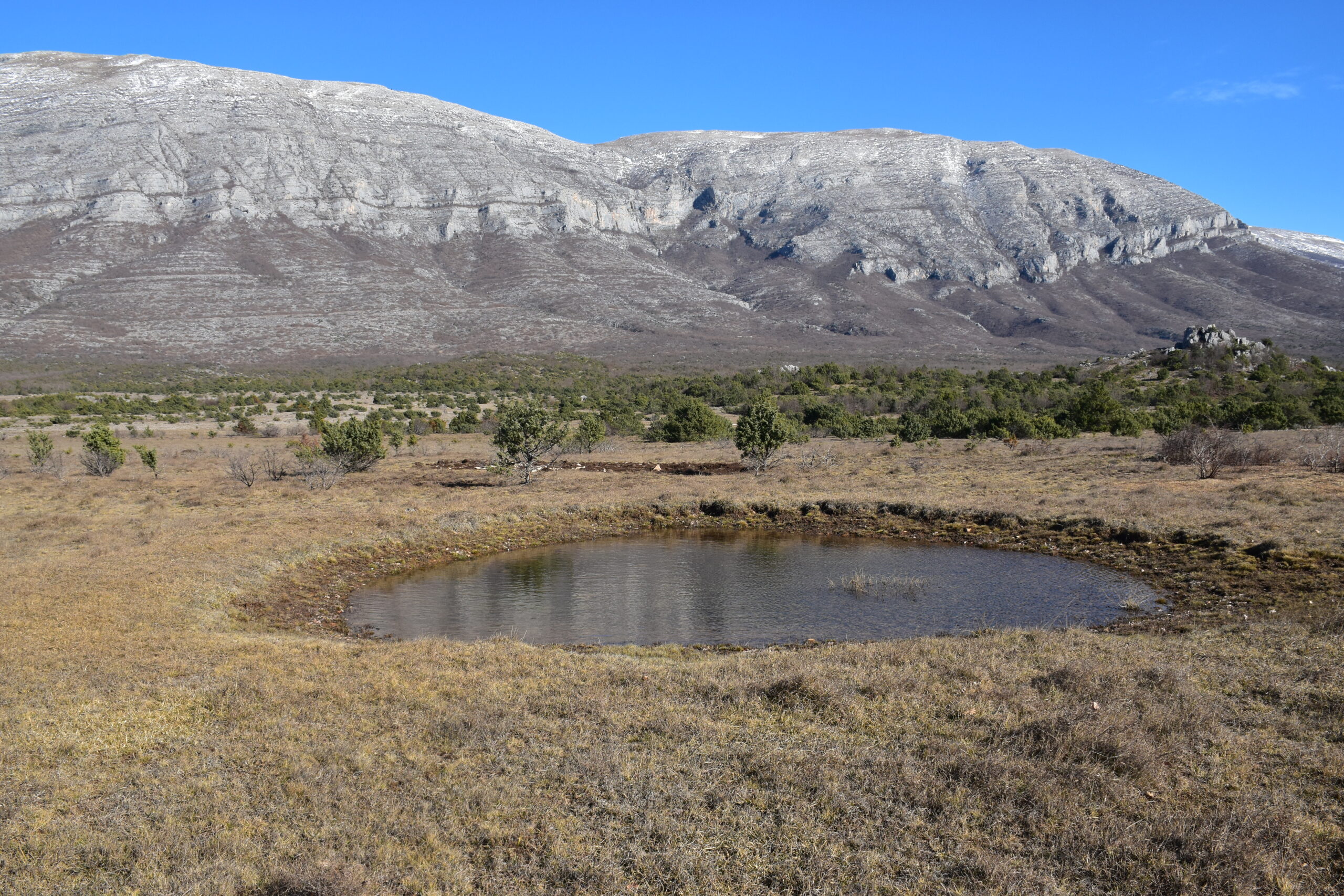
The former grasslands of the Dinara region, which have been used for livestock grazing since ancient times, are now largely neglected. Due to the abandonment of livestock farming and traditional ways of life, the grasslands are increasingly becoming overgrown with impassable vegetation, and Dinara is losing its distinctive natural values and biodiversity. Despite the enormous natural wealth of the Dinaric area, this region has been affected by unfavorable social and economic circumstances, waves of emigration, and the departure of young people, leaving only a small number of residents engaged in primary production.
The desire to preserve the Dinaric grasslands and encourage their sustainable use has been translated into a project idea developed through cooperation between the Biom Association and the Cetinska Krajina Local Action Group, with the Faculty of Agriculture of the University of Zagreb and Hrvatske šume d.o.o. also joining the project partnership. The partnership was formed because it is impossible to protect nature without involving all sectors that use it, depend on it, or simply live alongside it. To truly preserve Dinara, the project will involve experts in grassland restoration and biodiversity conservation, professionals promoting the economic benefits of grasslands and the use of EU funds in agriculture, scientists providing expert support in the analysis of current practices and best practices in livestock farming and beekeeping, and key stakeholders responsible for planning the long-term management of Dinaric grasslands.
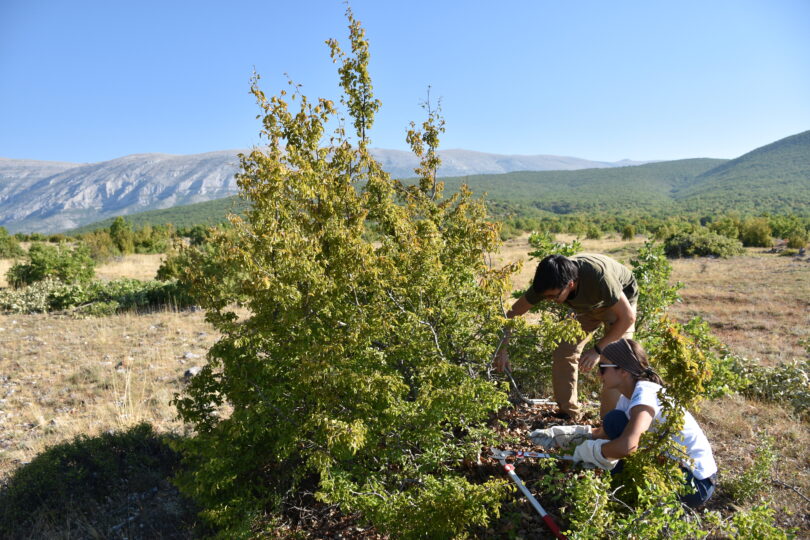
The project consists of core conservation activities aimed at restoring overgrown grasslands, including the manual removal of shrubs and the maintenance of grasslands through planned grazing and controlled burning. To ensure the long-term preservation of restored grasslands, supportive activities are also planned to create institutional prerequisites for grassland conservation and to support the local population in developing agricultural and tourism activities whose added value is based on coexistence with nature. Special emphasis in nature conservation is placed on the involvement of the local community and the sustainable use of resources that preserved nature provides for all of us. Part of the overgrown grasslands will be returned to a favorable conservation status, some neglected dry-stone walls and wells will be restored, and livestock farmers from the project area will be given the opportunity to lease herds for grazing purchased through the project, as well as to develop business plans for those who wish to base their work on the concept of sustainability.
Materials and publications
See more
Watch the short video!





The Dinara back to LIFE project – “Management planning and restoration of Dinara dry grasslands to save biodiversity and support sustainable development” is co-funded by the European Union’s LIFE Programme under grant agreement No. LIFE18 NAT/HR/000847. The content presented is the sole responsibility of the Dinara back to LIFE project partners and does not necessarily reflect the views of the European Union.