

Important Bird and Biodiversity Areas (IBAs) are part of a global network of sites identified as crucial for the conservation of birds and biodiversity. These areas are designated according to scientifically based criteria developed by BirdLife International, whose Croatian partner is Association Biom. The aim of this international network is to identify and safeguard sites that are essential for the survival of rare and threatened bird species.
Although IBAs are not a legal category of protected area, they provide the scientific basis for the designation of Special Protection Areas (SPAs) within the European Union’s Natura 2000 ecological network.
Croatia’s Fourth Highest Mountain
Based on the status of bird populations in 2013, all IBA sites in Croatia were designated as SPAs within the Natura 2000 network. As a result, the conservation of populations of specific species—known as conservation targets—became a legal obligation of the Republic of Croatia.
However, the IBA network is not static. As new scientific data become available, it can be expanded either by adding new qualifying species to existing sites or by identifying entirely new areas whose importance for bird conservation had previously gone unrecognized.
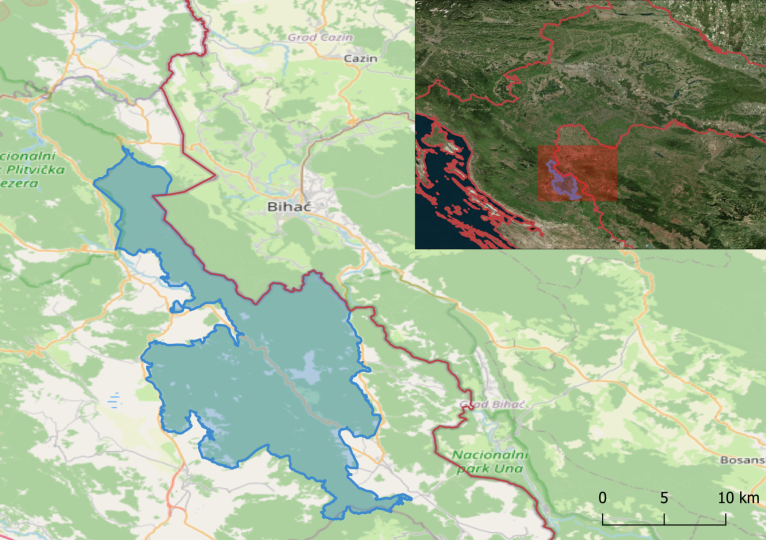
Such is the case with Plješivica, Croatia’s fourth-highest mountain. Located in the southeastern part of the Lika region, along the border with Bosnia and Herzegovina, this extensive forested mountain massif was the only major mountain complex in Croatia that had not previously been included in the IBA network and, consequently, had not been designated as a Natura 2000 SPA.
In a joint effort coordinated by the Public Institution for Nature Protection of Lika-Senj County, the Nature Protection Directorate of the Ministry of Environmental Protection and Green Transition, and Association Biom, this process was completed in April 2026. As a result, Plješivica was officially added to BirdLife International’s global IBA database.
Key Species Behind the Designation
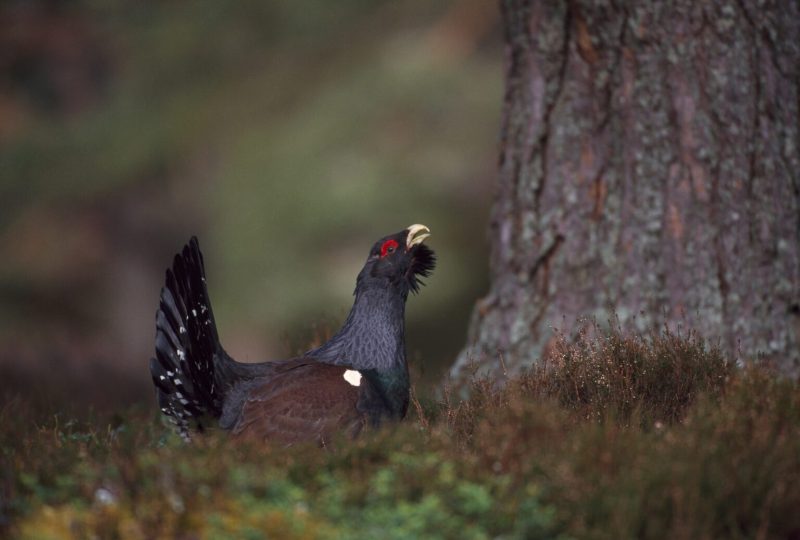
The populations of two bird species met the criteria required for the area’s designation as an IBA – Western Capercaillie (Tetrao urogallus) and White-backed Woodpecker (Dendrocopos leucotos).
Thanks to the presence of these species, Plješivica can now be proposed as a new Special Protection Area (SPA) within Croatia’s Natura 2000 network. Such designation would provide a legal framework for implementing conservation measures not only for these two species, but also for a range of other threatened birds associated with mountain forests.
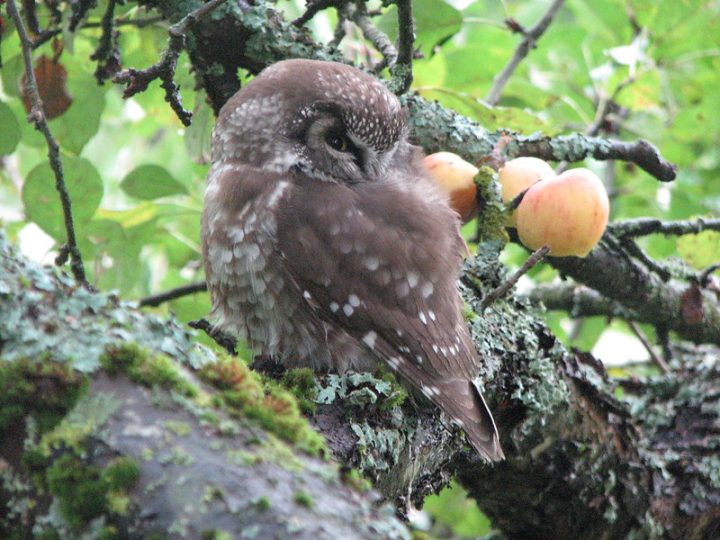
Particularly important are species whose distribution in Croatia is largely restricted to montane beech, fir-beech and spruce forests, including Hazel Grouse (Bonasa bonasia), Eurasian Pygmy Owl (Glaucidium passerinum), Boreal Owl (Aegolius funereus), Three-toed Woodpecker (Picoides tridactylus) and several others.
A Mountain of Exceptional Biodiversity
Plješivica stretches in a northwest–southeast direction between the Lika Plain and the Una River valley, with its highest peaks rising above 1,600 metres. Owing to its location at the meeting point of continental and Mediterranean climatic influences, the area supports a remarkable diversity of habitats.
This mosaic of habitats provides suitable conditions for a wide range of plant and animal species, among which birds hold a particularly important place.
A Refuge for the Western Capercaillie
Of special significance is the presence of the Western Capercaillie (Tetrao urogallus), one of Croatia’s most threatened forest bird species. This large and impressive bird depends on extensive, undisturbed and well-preserved forests and is therefore considered an indicator of healthy forest ecosystems.
The loss of old-growth forests, habitat fragmentation, human disturbance, and increasingly warm winters pose serious threats to the species. In recognition of its conservation importance, the Western Capercaillie was named Croatia’s Bird of the Year in 2023.
Although the species remains an official conservation target within the Natura 2000 Special Protection Area “Gorski Kotar and Lika”, recent surveys indicate that, apart from Plješivica, the species currently survives in Croatia only in the northern part of the Velebit Mountains. This finding highlights the critical importance of Plješivica for the future conservation of the Western Capercaillie in Croatia and strengthens the case for its inclusion in the Natura 2000 ecological network.