

Lastovo soldiers – driven from the mainland, to the heart of the Adriatic

One of the areas in Croatia which has been most often visited by BIOM staff in recent years is the Lastovo archipelago – 46 remote islands in the Middle Adriatic Sea. The area is a Nature Park and Natura 2000 Special Protection Area (SPA), especially important for several (globally threatened) breeding seabird species in Croatia (e.g. Yelkouan shearwater Puffinus yelkoaun and Audouin’s Gull Larus audouinii), as well as a stop-over site for migrant birds crossing the Adriatic Sea.
As part of the seabird conservation work carried out during the LIFE Artina and LIFE TETIDE projects, our colleague Dries Engelen spent over 600 days on the islands between 2019 and 2024, and together with former colleague Biljana Ječmenica, they made bird species presence lists during each day of their stay – the data of which is summarized and interpreted in a newly published paper in Larus.
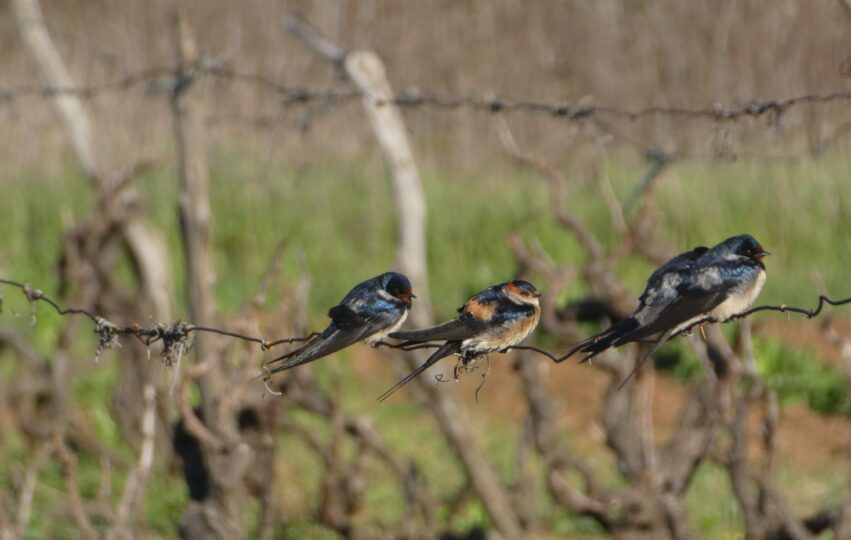
Their observations include a total of 179 bird species, including 39 breeding birds (several newly confirmed) and 9 rarities for Croatia, bringing the total of species observed in the archipelago to 199. A detailed account of the breeding species is given in the article, thereby providing explanations for changes in species’ occurrences or discrepancies from other (historical) sources. A trend towards increasing numbers of woodland species is observed. The paper also discusses the implications of the observations for the list of SPA species and their conservation targets.
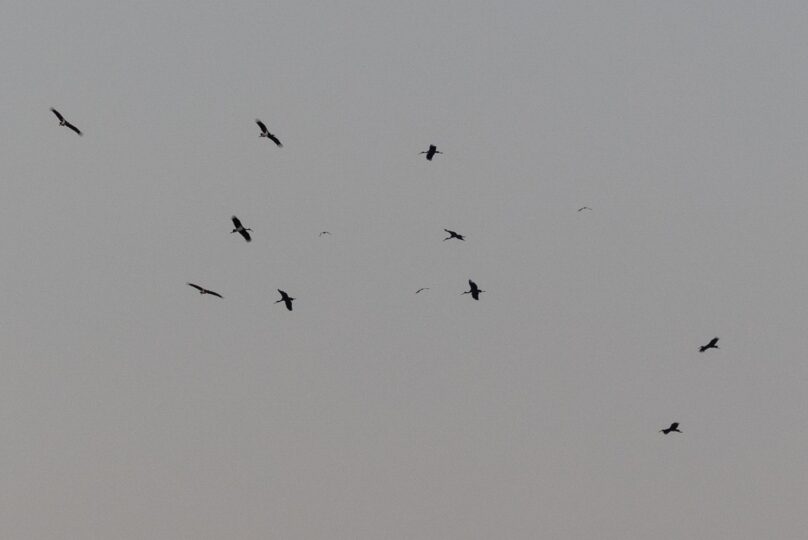
The vast majority of species observed, however, were migrant birds – a result of the archipelago’s position between the Croatian mainland and the Gargano peninsula in Italy. Among them were 17 species of migratory raptors, with Honey Buzzard Pernis apivorus and Marsh Harrier Circus aeroginosus being the most numerous – seen in flocks of 250 and 50 individuals respectively. Future studies are needed to better quantify the migration, as well as the importance of the archipelago for wintering species.
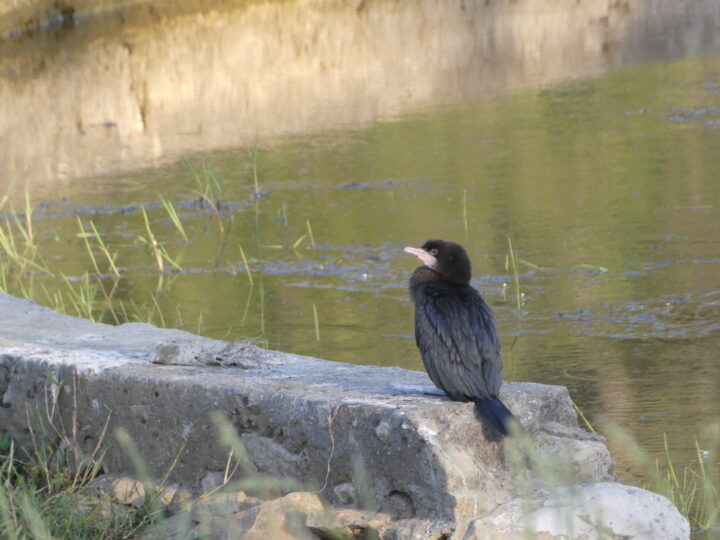
Finally, the paper describes some key results of the first ever systematic sea transects for birds in Croatia, conducted in the sea surrounding the archipelago between 2019 and 2021. Over the course of 192 transects nearly 5000 birds were observed, belonging to 41 different species. Among the most interesting observations was the high number of Little Gulls Hydrocoleus minutus present in during the early migration period (March), as well as seeing species such as European Nightjar Caprimulgus europaeus and Short-eared Owl Asio flammeus out in the middle of sea. The full corresponding dataset is freely available on the Global Biodiversity Information Facility (GBIF).
With LIFE TETIDE still ongoing, our visits to Lastovo continue as well, and new daily lists are still being created. During our most recent visit in September two new species were observed, which most likely took refuge there during a short stormy period.
A Little Grebe Tachybaptus ruficollis was observed for several days in the bay of Pasadur, and two Dunlins Calidris alpina were seen near one of the tunnels in Jurjeva Luka (both videos by our colleague Ana Klarin).
It’s exactly this surprise element that makes birdwatching on Lastovo so exciting!