


Project name:
Restoring Wetlands: A Pathway to Biodiversity and Ecosystem Resilience
Project duration: 1.4.2025 – 31.3.2028
Total project budget:
657.248€ (Donor’s Initiative for Mediterranean Freshwater Ecosystems: 348.608€)
Association Biom budget: 442,317€
- Donor’s Initiative for Mediterranean Freshwater Ecosystems: 269.266€
- Own contribution: 173.050€
Lead beneficiary: Udruga Biom
Project partners: Public institution Nature park Vrana lake
Contact:
Zdravko Budimir, zdravko.budimir[at]biom.hr, project manager
Project goals
Recognition of the wetland habitats within the project area with the highest priority for restoration to preserve the biodiversity and the ecosystem services of the area
Wetlands ecosystem services, their conservation and restoration are recognized among experts, local communities and the general public as important for the biodiversity conservation and ecosystem resilience
Restoration activities performed and implemented in a way to be sustainable even after the project ends
All important stakeholders capacities for the conservation and restoration of wetlands are raised enabling the upscaling of the conservation efforts in the future
Project summary
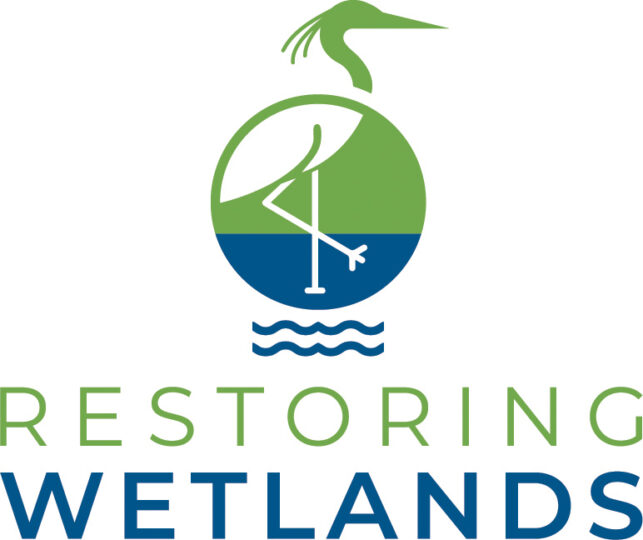
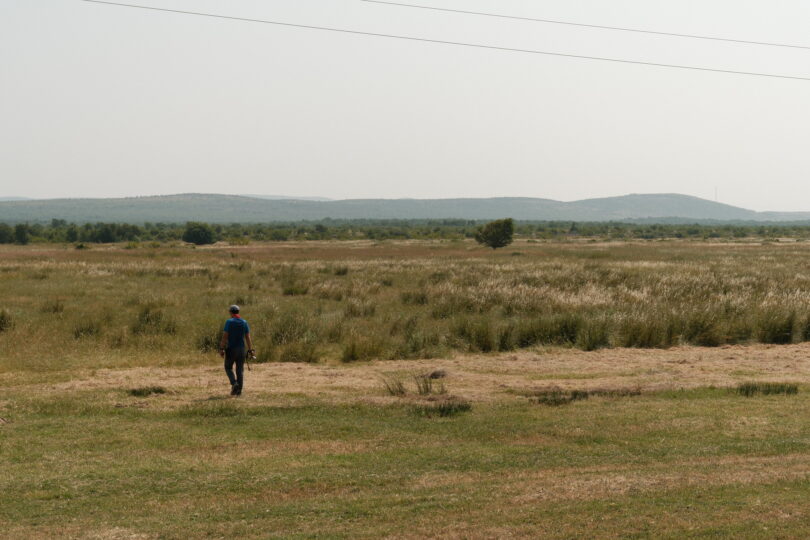
Project Restoring Wetlands: A Pathway to Biodiversity and Ecosystem Resilience is located on the Eastern Adriatic coast of Croatia, focusing on the wetland habitats of the Mediterranean karst. It will take place in one of most important wetland biodiversity hot-spots in Croatia, Vrana Lake and the surrounding area of Ravni Kotari. The Vrana Lake is Croatia’s largest natural lake, a Nature Park since 1999, a Ramsar site since 2014 and a Special Ornithological Reserve.
Key challenges for wetland habitats include the abandonment of traditional grazing, agricultural intensification, shrub encroachment, and biodiversity loss. Human disturbance further exacerbates these issues. The Nature Park’s public institution has recognized the need for strategic wetland ecosystem restoration, integrating this into a 10-year management plan. This project will help implement the plan, bringing together stakeholders and experts to support restoration efforts. It will also raise awareness to ensure long-term sustainability. Conservation actions will include assessing the current state, prioritizing conservation efforts, removing invasive species, and fostering cooperation with local communities and key beneficiaries for the sustainable use of these vital wetland areas.
Materials and Publications
See more
Project activities
A1 Spatial and biological assessment of the area to determine the initial state of wetlands and threats to conservation target species and habitats
Determining the initial state of wetlands is the first project activity and will guide the development of restoration plans and implementation. The project team will compile existing data and combine it with new data collected during field visits to fill gaps needed for restoration planning.
A2 Defining the needs for specific restoration measures to improve the conservation status of target species and habitats
The project identify at least 20 locations with restoration potential, and further proritize at least 5 priority locations will be selected for restoration.
For each site, the team will collect information on land ownership, cooperation possibilities with local livestock keepers, minimum restoration scope, and estimated costs to guide prioritization.
A3 Creation of a restoration plan and monitoring plan for post-restoration adaptive management of sites
Detailed restoration plans will be developed for each of the 5 prioritized sites. Plans will include restoration methods, timelines, stakeholders to contact, and permits required.
A4 Restoration of priority sites in wetlands
Restoration will be implemented at priority wetland sites (Natura 2000 grasslands or lake shores) threatened by shrub or reed encroachment. Activities include:
· Manual restoration (mowing, mulching, foil covering, adjusting water regimes)
· Volunteer camps and engagement
· Invasive species removal
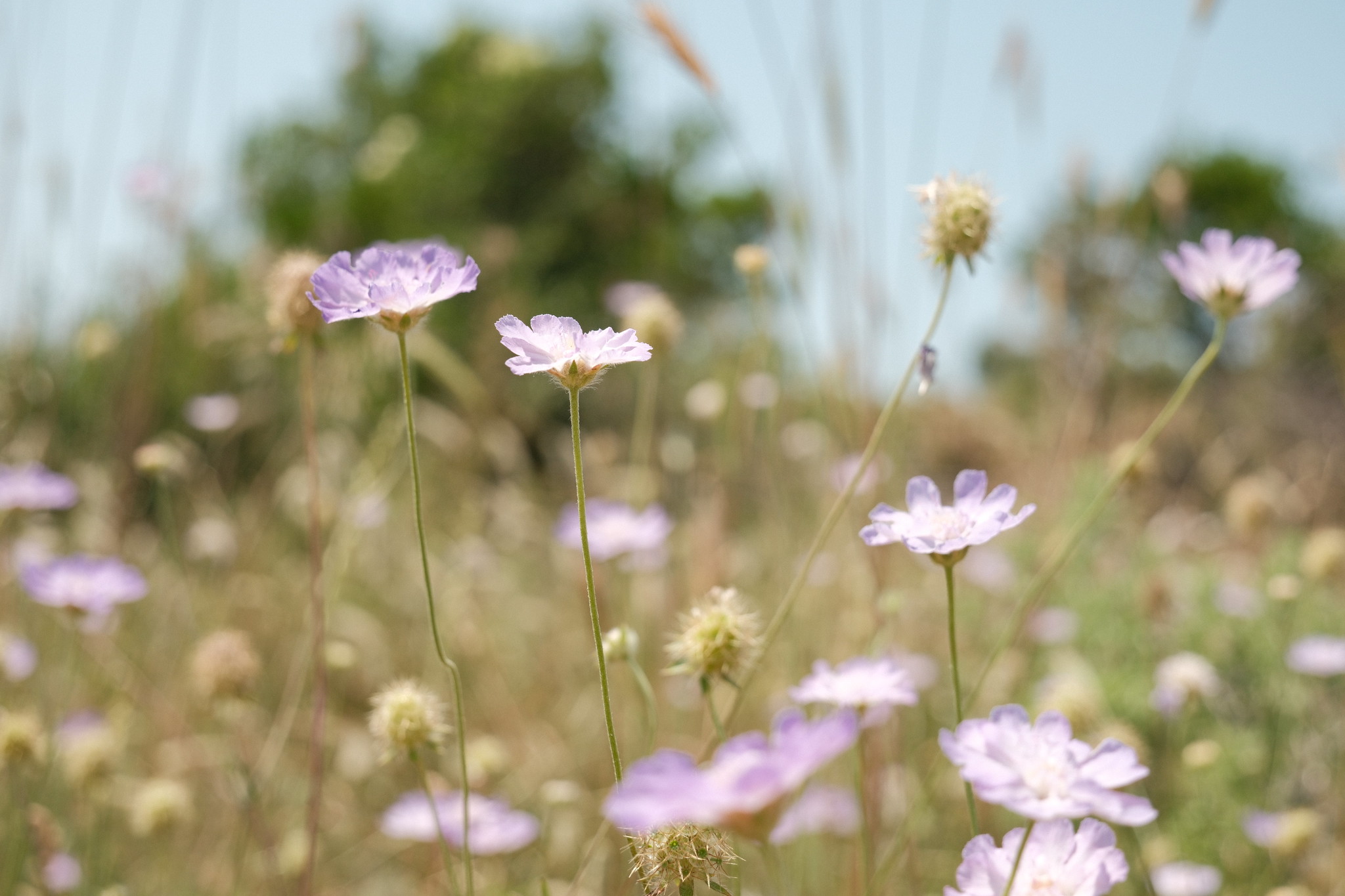
· Collection and spread of seeds for Chouardia litardierei and Allium telmatum
A5 Introduction of targeted grazing to ensure sustainability of restoration activities and monitoring of grazing implementation and effects
Targeted grazing will maintain habitats post-restoration and support biodiversity. Grazing contracts will be signed with at least 5 local livestock keepers. Criteria will define grazing periods, flock composition, and numbers to ensure sustainable habitat management.
A6 Planting of the green barrier to mitigate bird disturbance by human activities (traffic and visitors) along wetland habitats where restoration activities took place
Green barriers will be planted along main roads near restored wetlands to reduce bird collisions with vehicles and minimize noise and visual disturbances. This nature-based solution will help safeguard the ecological function of feeding grounds.
A7 Establishment of a Project Collaborative Board to communicate common visions and needs aimed at conservation of biodiversity and adapting to climate change
The Project Collaborative Board will provide a platform for the local community to learn about the project, share ideas, raise concerns, and collaborate with the project team. Large maps will allow participants to indicate areas of interest for grazing or restoration, increasing social impact and sustainability of restoration activities.
A8 Visit to an example of good practice to see potential solutions for improved wetland habitat management
A study visit will be organized for the project team and key stakeholders to learn from successful wetland restoration projects in Europe. The visit will showcase results, challenges, and provide feedback on our project.
A9 Creation of a study for the expansion of restoration activities and upscaling project and additional strengthening of blue carbon offsetting
The project aims to scale up wetland restoration in the future, with climate change adaptation and blue carbon offsetting as key opportunities. The study will identify potential, and explore blue carbon initiatives.
A10 Development of the communication plan and its implementation
At the project start, a communication plan will be developed, outlining roles, channels, visual identity, target audiences, key messages, and a calendar of activities. The plan will be reviewed annually. Focus will be on local media relations, publishing at least three press releases per year, and covering project activities, collaborative board meetings, and the final conference.
A11 Using ecosystem services assessment to promote sustainable use of natural resources
An ecosystem services assessment will highlight the benefits wetlands provide to nature and people. Results will inform communication materials, foster positive attitudes toward wetlands, and support development of business plan grants.
A12 Organization of the project final conference and signing of the Memorandum of cooperation with key stakeholders
A final conference with at least 80 participants will showcase project results, lessons learned, and innovations. The conference will demonstrate the project as a best practice, encourage partnerships, and ensure knowledge transfer.
Related news
-
Green Barrier to a Safer Haven for Birds
Volunteer Action at Lake Vrana During the winter months, the wetlands along the shores of Lake Vrana become a refuge…
-
Swedish Experiences and New Technologies in Nature Monitoring
Luka Škunca from our Habitat and Botany Programme writes about his first visit to Sweden and the sixth workshop on…
-
Start of the Restoring Wetlands Project
At the beginning of autumn, we launched a new three-year project, “Restoring Wetlands: A Pathway to Biodiversity and Ecosystem Resilience.”…

This project was carried out with the financial support of the Donors Initiative for Mediterranean Freshwater Ecosystems (DIMFE). The content of this page is the sole responsibility of Association Biom and can under no circumstances be regarded as reflecting the views of the Prince Albert II of Monaco Foundation or the Donors Initiative for Mediterranean Freshwater Ecosystems.