

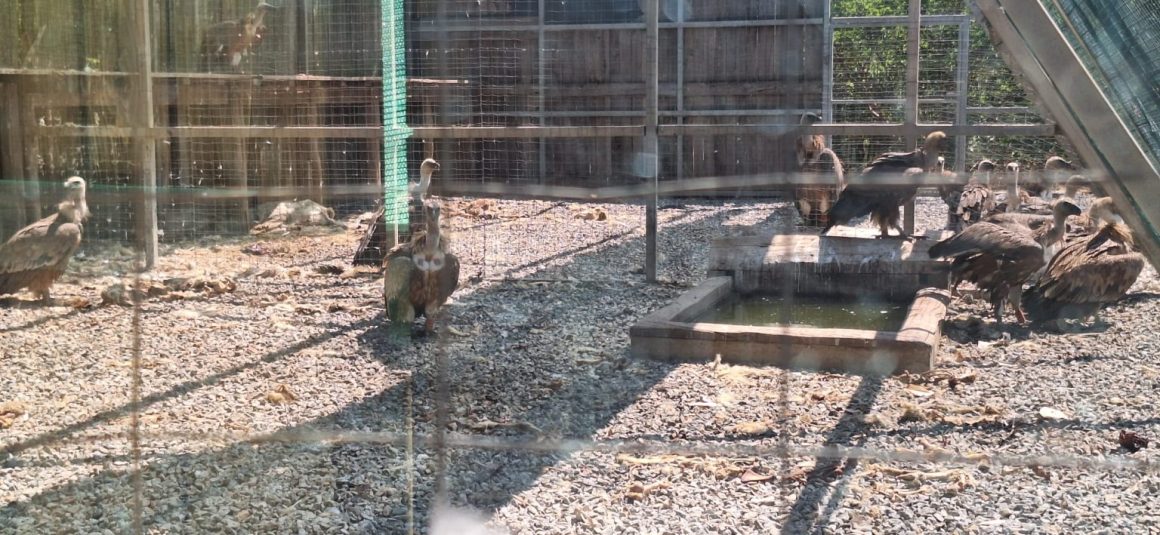
With the aim of strengthening international cooperation and sharing knowledge on the conservation of scavenging birds of prey at the European level, organisations and institutions involved in the implementation of the LIFE SUPport, LIFE Balkan GriffON and upcoming Raptors for LIFE projects visited the Italian island of Sardinia, where the LIFE Safe for Vultures project is being implemented. Sardinia is now home to one of the most significant island populations of Griffon Vultures in the Mediterranean, the result of many years of conservation efforts and the implementation of a range of activities aimed at protecting the species.
One of the most important achievements in Griffon Vulture conservation in Sardinia has been the establishment of a sustainable food supply system in cooperation with local livestock farmers. This solution, combined with other conservation measures, has helped stabilise the population and expand its range into parts of the island where the species had disappeared in the past.
As the provision of food (carcasses of domestic animals) is strictly regulated by veterinary legislation, the veterinary sector has played a key role in establishing and operating such a system.
During their visit to Sardinia in early July, Croatian experts had the opportunity to learn about the details of recent successful vulture conservation activities directly from Italian experts and institutions, including the University of Sassari, the Forestas Agency, and the Corpo Forestale e di Vigilanza Ambientale.
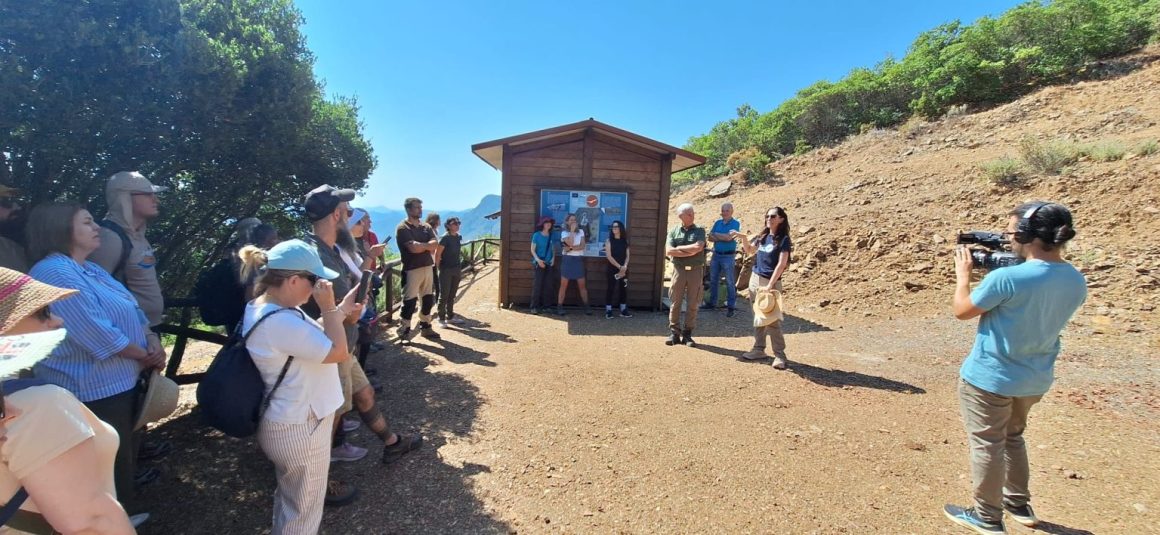
To help ensure that the experience and good practices applied in Sardinia can be successfully transferred and implemented in Croatia, Vlatka Tomašić, Head of the Veterinary Public Health Service at the Directorate for Veterinary Medicine and Food Safety of the Ministry of Agriculture, Forestry and Fisheries, joined the study visit organised by the Vulture Conservation Foundation. She is also a member of the LIFE SUPport Project Advisory Council.
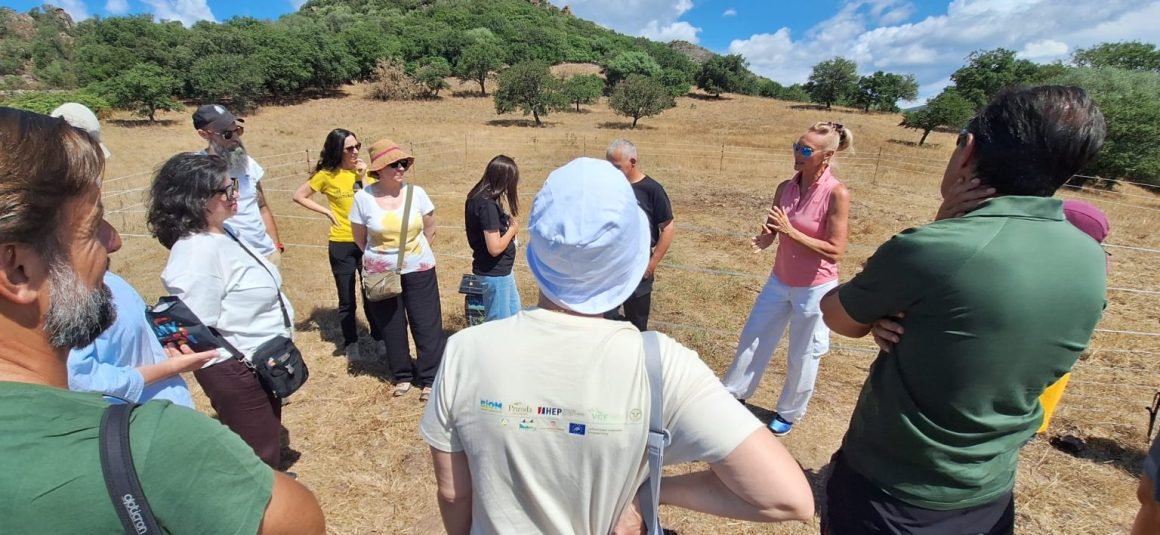
For centuries, the diet of European scavenging bird species, including Griffon Vultures, has been closely linked to extensive livestock farming and the availability of domestic animal carcasses. Consequently, any significant changes in livestock farming practices or the legislative framework directly affect food availability and, in the long term, the population size and resilience of vulture species. This link has also been recognised in Kvarner, where the LIFE SUPport project partnership, in cooperation with other sectors, most notably the veterinary sector, is working to implement solutions that simultaneously ensure a high level of public health protection and the conservation of Griffon Vultures and other scavenging bird species.