

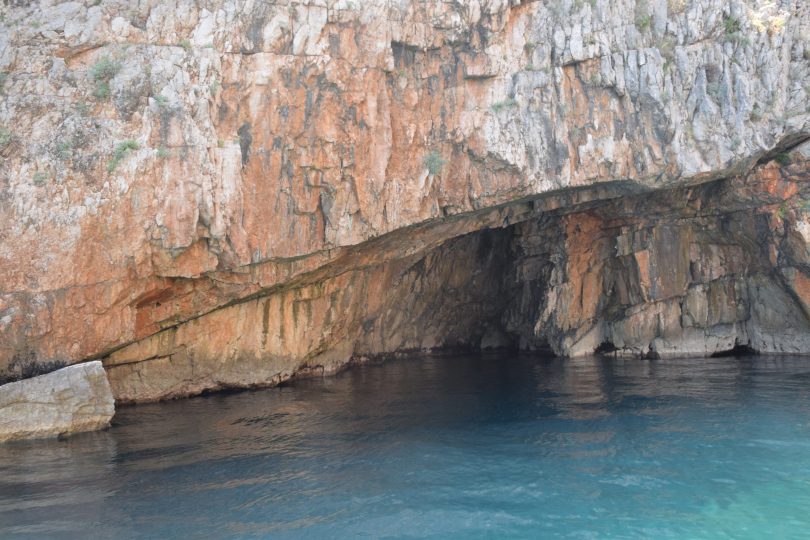
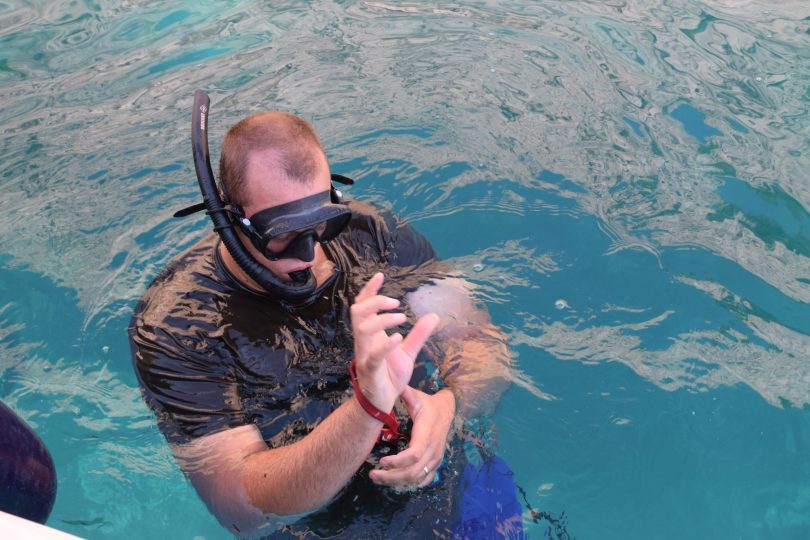
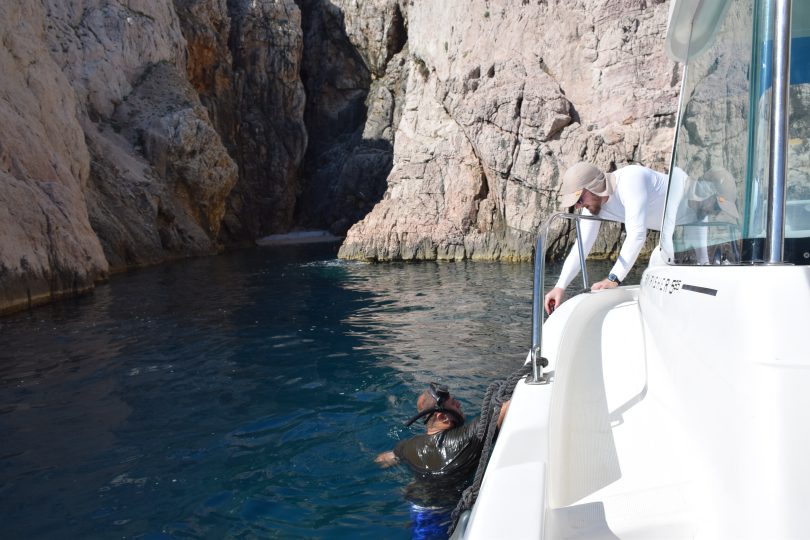
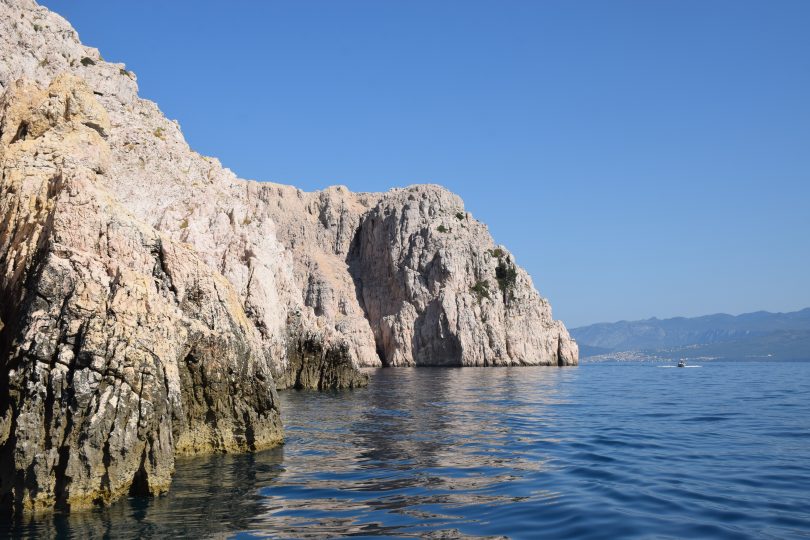
The sea around Krk was our workplace last week. We sailed along the island’s coast, explored hidden coves and went diving, all with one goal: to find and document caves that could one day be important for the return of the Mediterranean monk seal to the Adriatic.
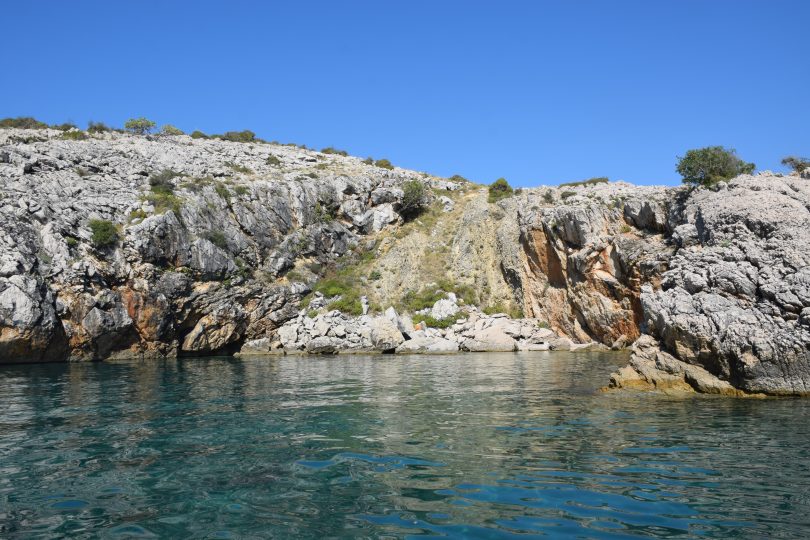
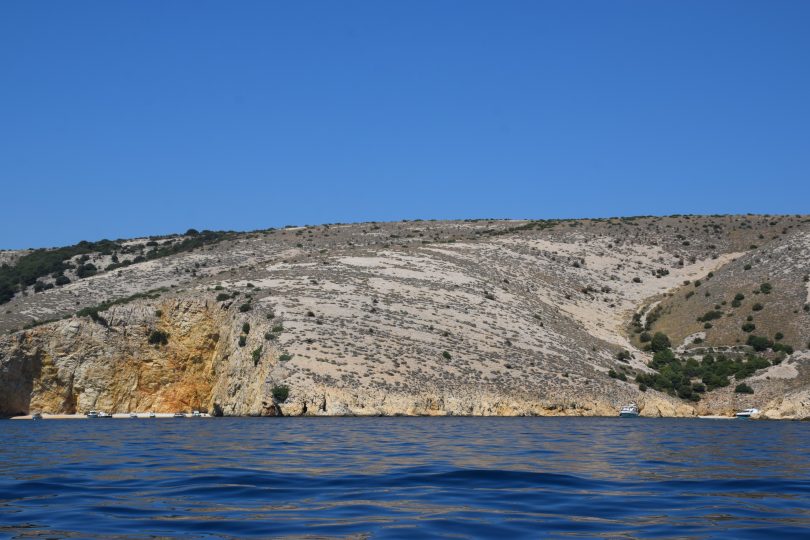
This was a continuation of our mapping of potential habitats as part of the Adriatic Monk Seal project, which we have been carrying out over the past few years. This time, we explored the area around Krk and its eastern coast, facing the mainland, in the waters of the Vinodol and Velebit Channels, which separate the island from the mainland. The steep and rugged coastline hides numerous hollows, crevices and sea caves, but not all of them are potential homes for Mediterranean monk seals. For this species, places that are difficult for humans to access and where it can find peace and shelter are particularly important. During our surveys, we therefore document the characteristics of each cave and assess whether it could be suitable for resting, and especially for raising young. In the future, such places need to be identifiable, monitored and protected from disturbance.
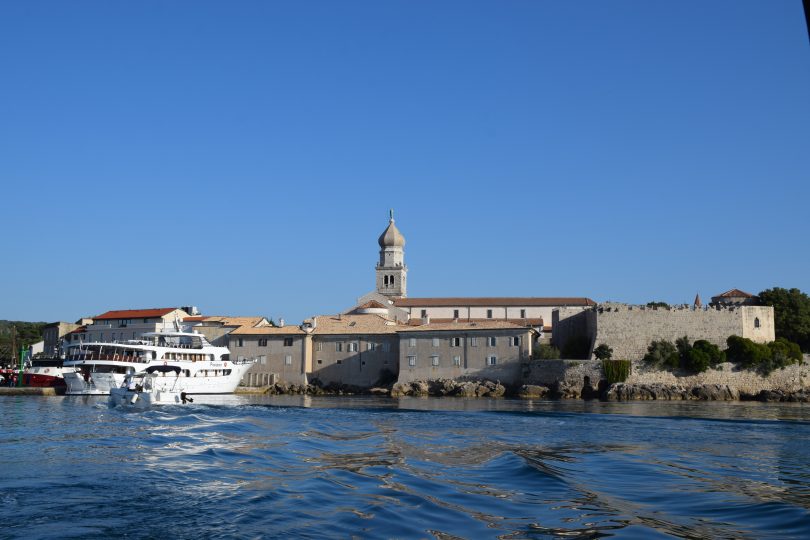
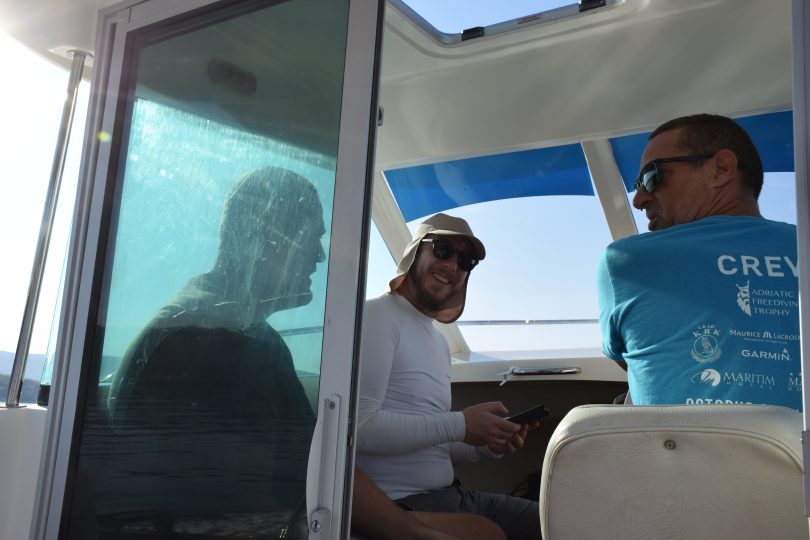
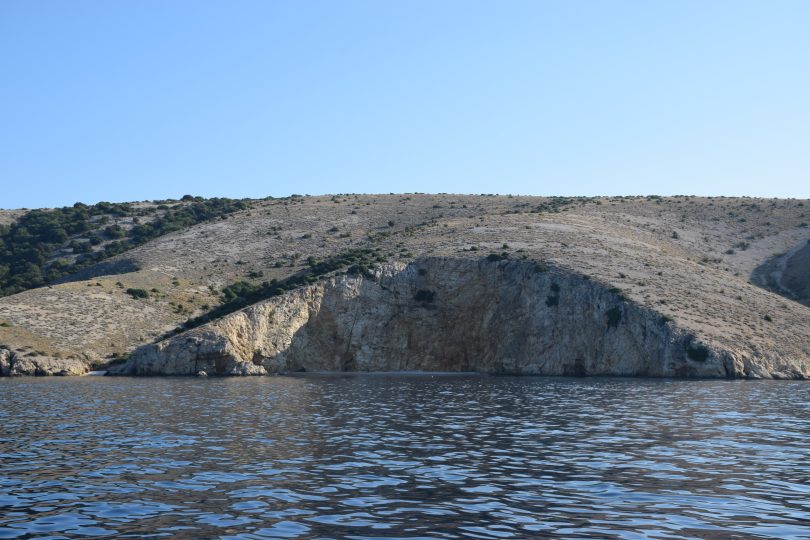
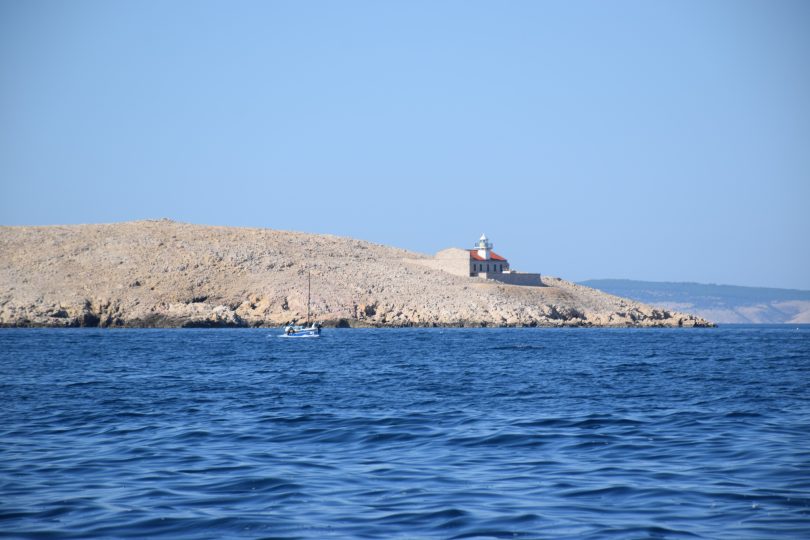
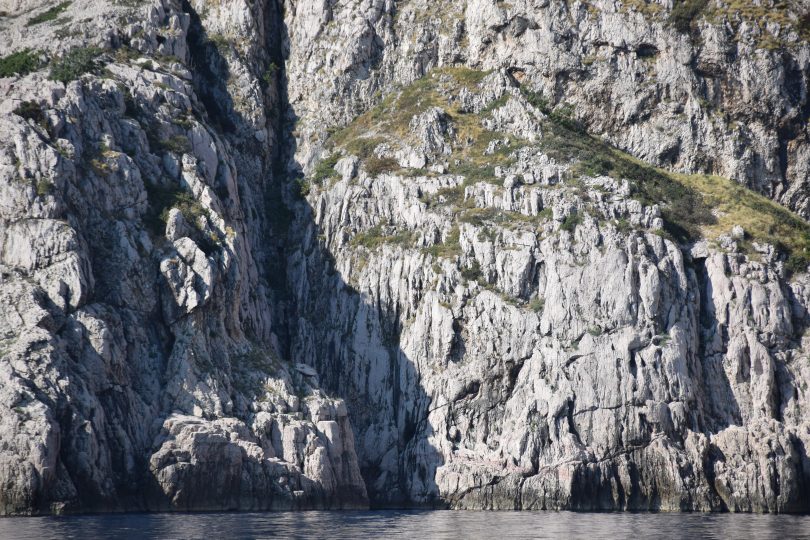
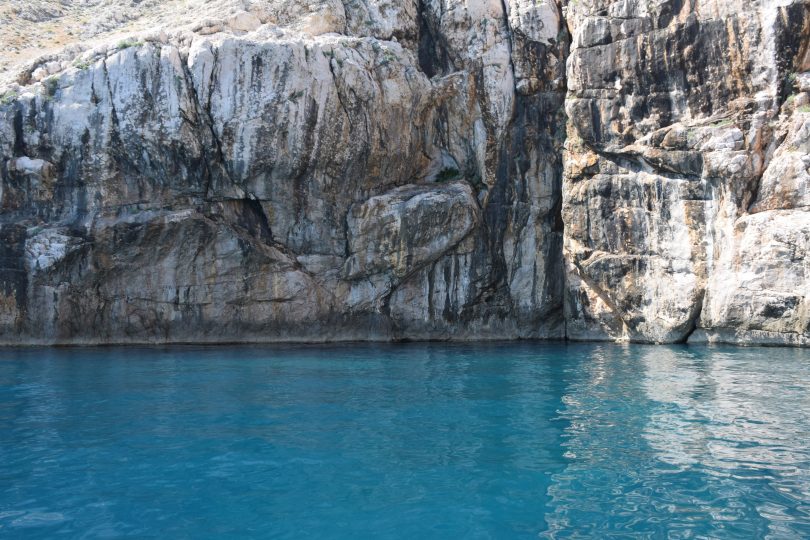
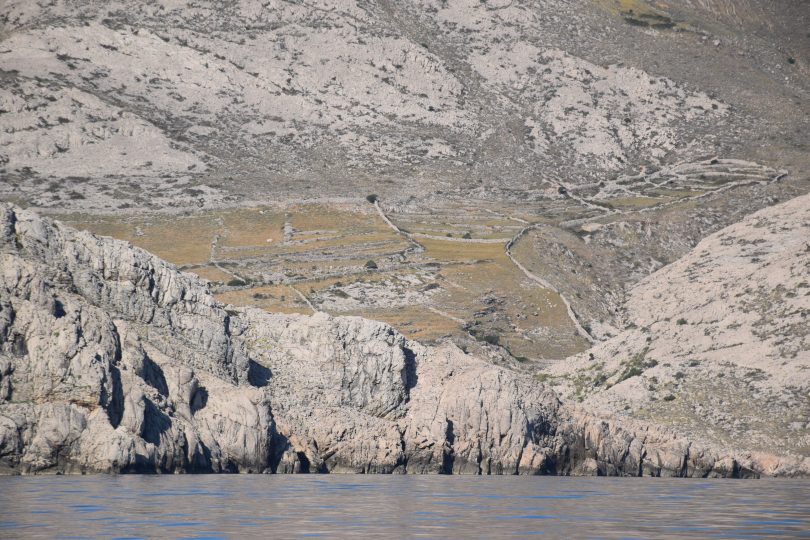
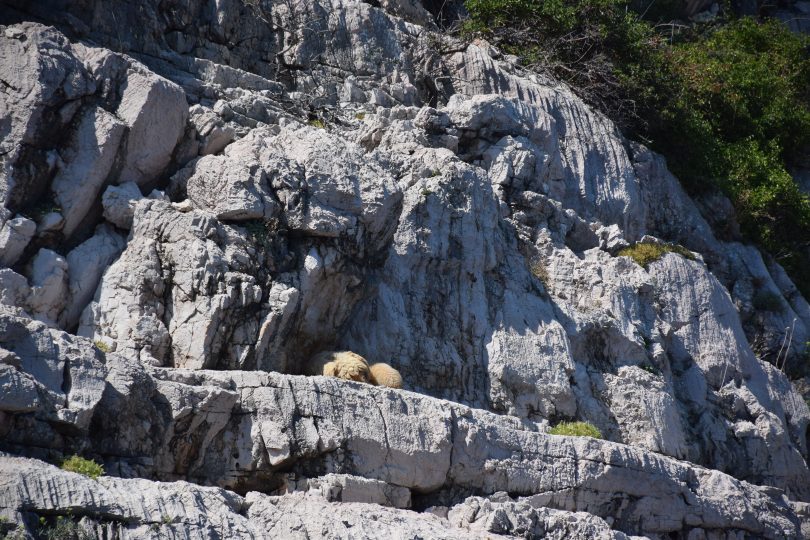
Our skipper Goran knows Krk like the back of his hand and shared some lesser-known stories about the island along the way, from legends associated with particular coves and the remains of old churches to stories of what life on Krk used to be like. As we sailed, our eyes constantly shifted between the sea and the land. The island is crisscrossed by a network of dry-stone walls that stretch all the way down to the coast, probably once used to keep livestock contained. On some of these dry-stone walls, or high on cliffs above the sea, sheep rested in the shade, seeking relief from the summer heat.
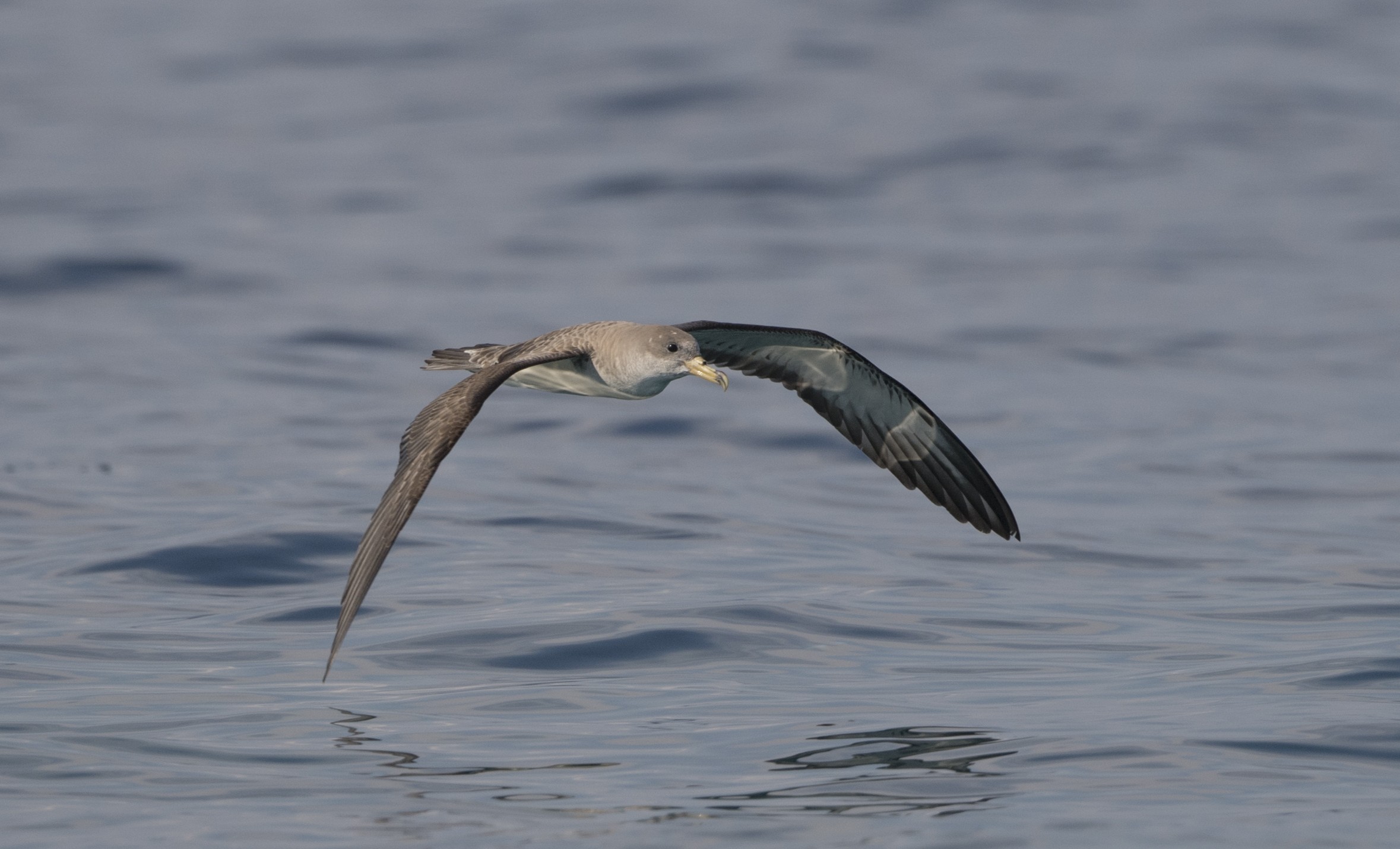
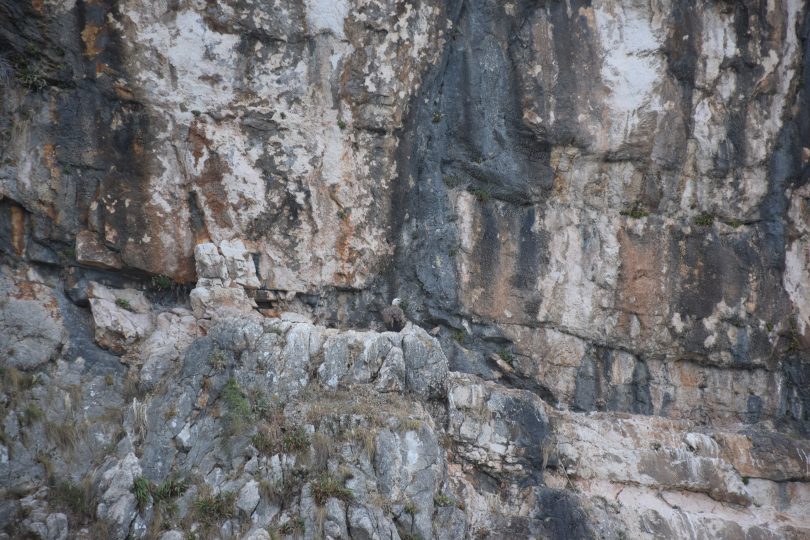
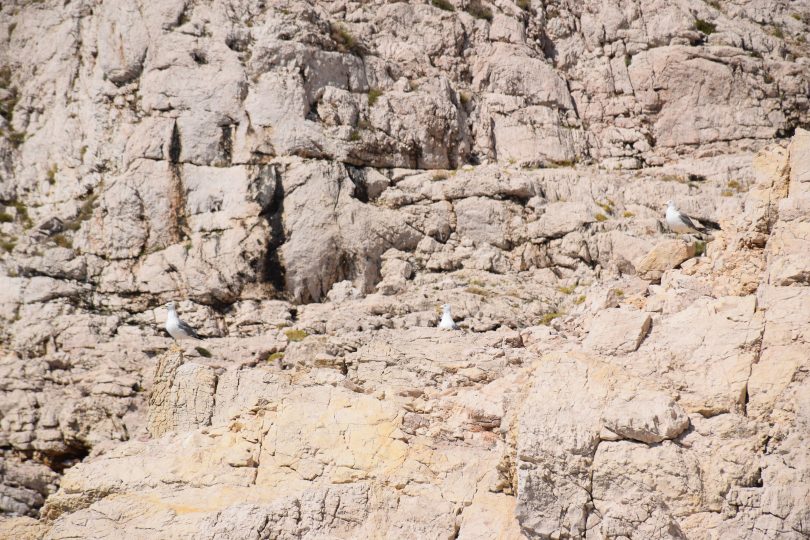
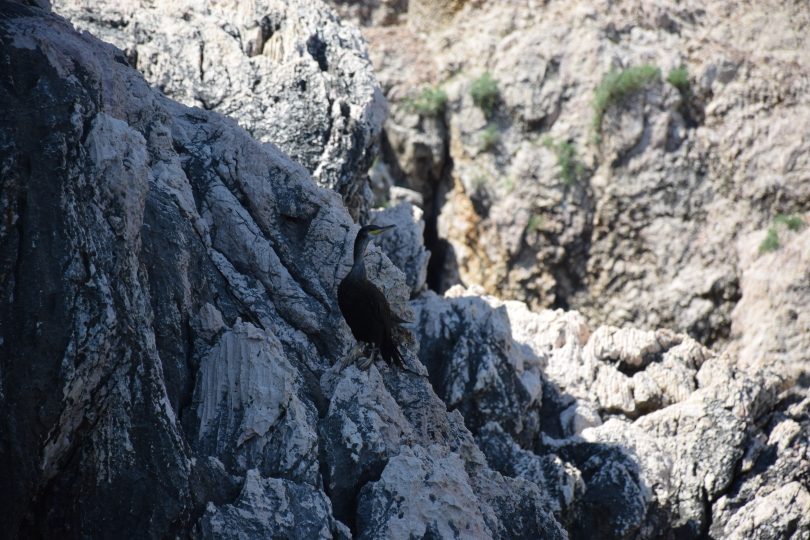
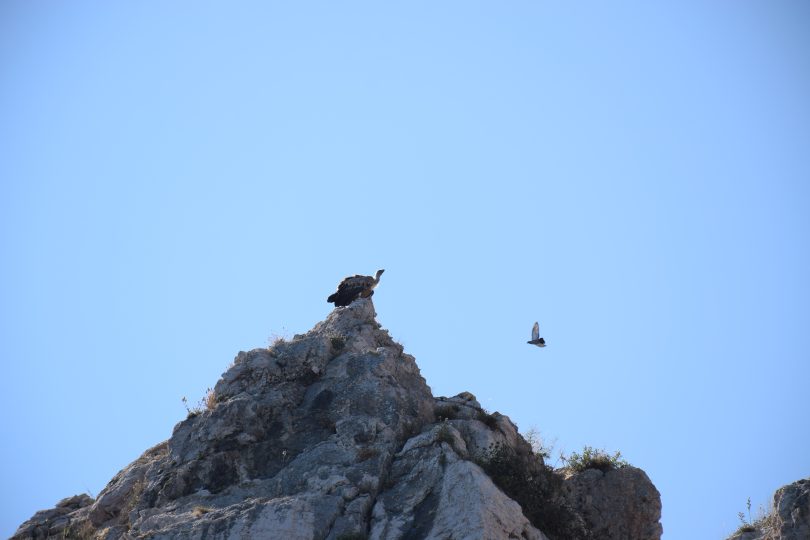
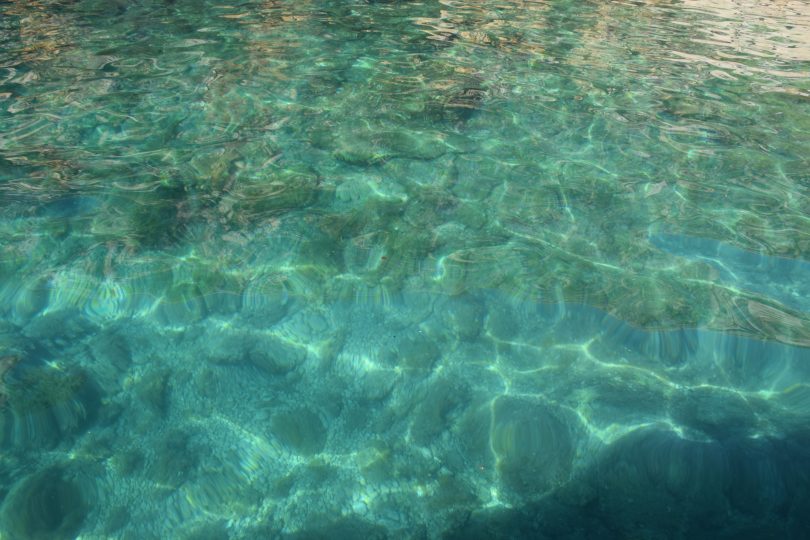
The sky above us was no less lively than the land. Round after round, Griffon Vultures circled overhead, and among several adults we also spotted juveniles, a sign that the island’s population remains active and continues to breed. In addition to the vultures, we recorded Eurasian Whimbrels, European Shags drying their wings on the rocks, and Kestrels hovering almost motionless in the breeze, waiting for an opportunity to hunt. The sea was crystal clear, almost unreal in its transparency where the coastline plunged steeply into the depths.
But the survey was not just about enjoying the landscape. It also reminded us that these areas continue to face pressures. At several locations, right next to caves we had documented during previous field trips, we encountered beaches crowded with swimmers, as well as boats and other vessels carrying tourists anchored right at the cave entrances. We also found considerable amounts of waste on more secluded beaches and inside caves, including plastic bottles, Styrofoam, fishing nets and even boat mattresses. These very places, attractive to people because of their beauty and seclusion, are the same places that could provide the peace and shelter Mediterranean monk seals need. This highlights how important it is to reconcile tourism with nature conservation before the species even returns to these areas.
The Mediterranean monk seal (Monachus monachus) is the world’s rarest seal and one of Europe’s most endangered marine mammals. There is currently no permanent population in the Adriatic, but sightings have become increasingly frequent in recent years, particularly in Albania and Montenegro. Experts believe that individuals from the population in the northern Ionian Sea could once again expand their range into the Adriatic.
The Adriatic Monk Seal project, running from 2024 to 2027 and bringing together partners from Croatia, Albania, Montenegro and Italy under the leadership of EuroNatur, aims to increase knowledge about the species and its potential habitats, improve the monitoring of sightings, and lay the foundations for their long-term protection.