

Project name: Feasibility study for the Reintroduction of the Cinereous vulture (Aegypius monachus) in Croatia
Project duration: 1.1.2026. -31.1.2027.
Total project budget: 12.000,00
7000,00 Euro – Funded by Rewilding Rhodopes Foundation through Financial Support to Third Parties mechanism under project no. 101148254 — LIFE23‑NAT‑BG‑LIFE Rhodope Vulture of the LIFE Programme of the European Union.
5.000,00 Euro – Association Biom own budget.
Association Biom budget: 5.000,00
Lead beneficiary: Association BIOM
Project goals:
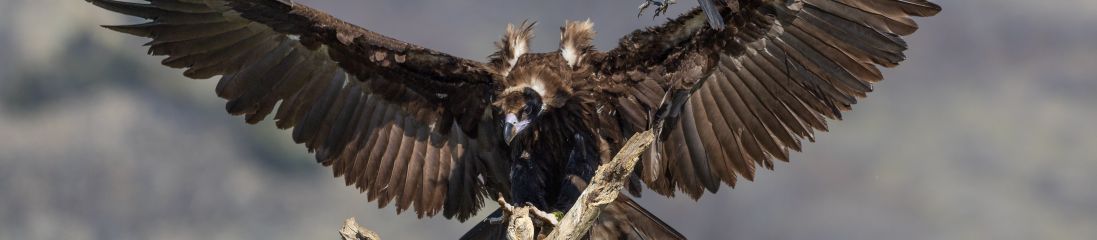
To assess the justification and feasibility, and to define all necessary requirements for the reintroduction and establishment of a stable population of the Cinereous vulture in Croatia, while contributing to strengthening the species population at the European level.
Specific objectives:
Collect and review existing data on the Cinereous vulture and experiences from reintroduction projects.
Identify and evaluate suitable release areas and limiting factors
Feasibility study with clear recommendations for reintroduction activities
Identify potential risks and possible solutions
Engage key national and local stakeholders through participatory workshops and consultations.
Project summary
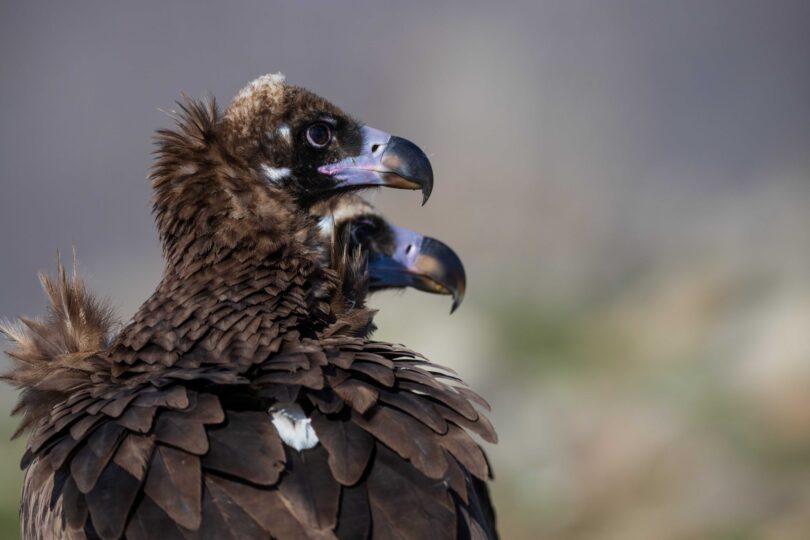
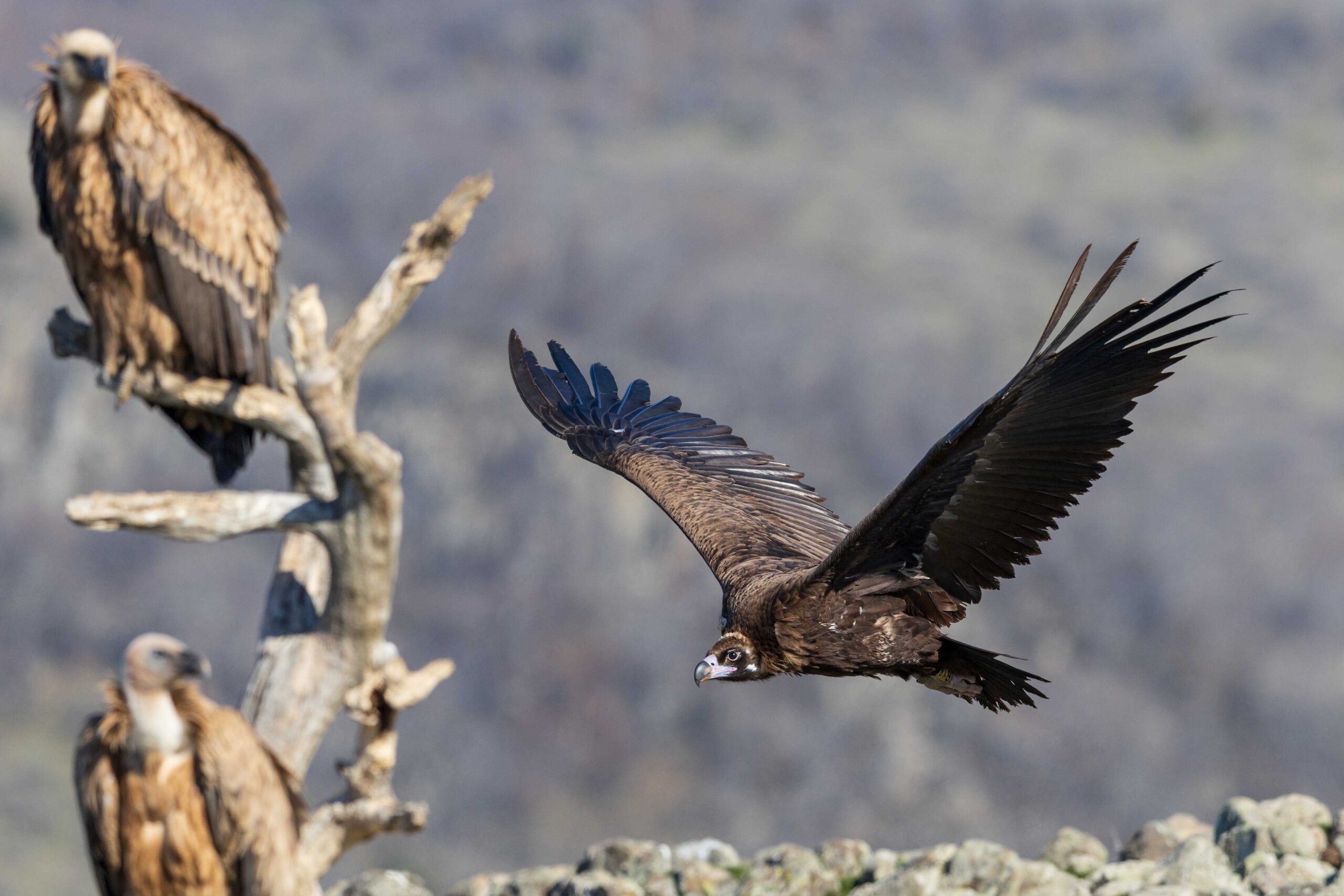
Three vulture species once inhabited Croatia: Egyptian vulture (Neophron percnopterus), Cinereous vulture (Aegypius monachus) and Griffon vulture (Gyps fulvus), which today is the only remaining vulture species in our country. The Egyptian vulture and the Cinereous vulture became extinct in Croatia during the 20th century.
The Cinereous vulture was present in Slavonia, central and southern Dalmatia, and on the Kvarner islands, became extinct in the first half of the 20th century. The Egyptian vulture inhabited the area from Rab to Dubrovnik and disappeared in the second half of the 20th century.
The main causes of the extinction of the Cinereous vulture include reduced food availability due to the decline of traditional livestock farming, the decrease in populations of medium and large wild mammals, and the introduction of veterinary–hygienic measures requiring the removal of carcasses from the environment. Additional pressures included poaching, lead poisoning, unintentional poisoning by poison baits and the reduced availability of large nesting trees due to the logging of older forest stands.
The Cinereous vulture is a species whose conservation simultaneously protects many other species and their habitats, due to its extensive spatial and ecological requirements. Its ecological role is the removal of carcasses, contributing to nutrient cycling and helping regulate disease within ecosystems by reducing the risk of infectious disease spread. It is a symbol of preserved and pristine nature.
Thanks to long‑term conservation efforts, including habitat protection, threat mitigation and active management, the Griffon vulture population in Croatia has significantly recovered, and in recent years the species has reached record breeding numbers. This positive trend provides a strong foundation and encouragement for considering the possibility of reintroducing the Cinereous vulture.
Building on this success, the intention is to comprehensively assess the biological, technical, socio‑economic and logistical requirements necessary for the potential return of the Cinereous vulture to Croatia. The project will also evaluate the existing legal and institutional framework to ensure that any potential reintroduction initiative is aligned with national and European regulations and best practices.
The main objectives of the project include identifying and actively engaging all relevant stakeholders, such as nature conservation organizations, public institutions, local communities and land users, through participatory workshops and consultations. Furthermore, the project will focus on identifying suitable release areas based on ecological criteria, habitat suitability and the long‑term sustainability of a stable population. A detailed assessment of potential risks and challenges, including human–wildlife conflicts and environmental pressures, will also be carried out, alongside the development of appropriate mitigation strategies. Another important component involves evaluating the availability and suitability of individuals from existing populations or breeding programs for potential reintroduction.
The expected results include the establishment of a well‑coordinated stakeholder network and the development of a comprehensive feasibility study. Ultimately, this will support decision‑making regarding the reintroduction of the Cinereous vulture in Croatia. Reintroducing the species would help connect fragmented populations in southwestern and southeastern Europe, strengthening the long‑term conservation of the species at the European level.
Materials and Publications
Click to view
This project is co‑funded under project no. 101148254 — LIFE23‑NAT‑BG‑LIFE Rhodope Vulture, through the Financial Support to Third Parties mechanism of the LIFE Programme of the European Union.