

At the beginning of autumn, we launched a new three-year project, “Restoring Wetlands: A Pathway to Biodiversity and Ecosystem Resilience.” In partnership with the Public Institution Nature Park Vransko Lake , we are working to address the biological and social challenges of Mediterranean karst wetlands. The goal of the project is clear: to preserve biodiversity and strengthen ecosystem resilience in an area of exceptional natural value.
Vransko Lake, the largest natural lake in Croatia, has significance far beyond its local surroundings. It has been protected as a nature park since 1999, designated as a Ramsar site since 2013, and its northern part is also a special ornithological reserve. The park encompasses not only the lake itself, but also the surrounding wetlands, grasslands, pastures, arable fields, vineyards, and olive groves.
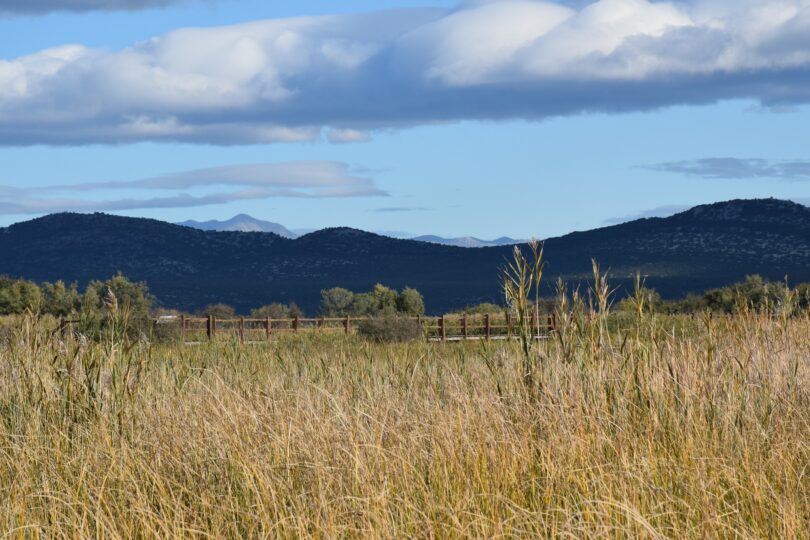
Historically, the wetland area around Vransko Lake was much larger. In the 18th century, Duke Francesco Borelli decided to drain a large portion of the wetland by constructing a canal, aiming to create new agricultural land and reduce the number of mosquitoes that carried malaria at the time. However, the proximity to the sea and rising sea levels brought new challenges: seawater now infiltrates the lake through the karst, while the Prosika Canal, originally built to drain excess water, now contributes to additional salinization. The system of canals and pumps used for melioration of agricultural land in the Vransko Lake area occasionally draws in seawater, increasing the salinity of surrounding farmland. These changes affect plant communities, stimulate the spread of reed and invasive species, and reduce the share of suitable habitats for native plant and animal species.
Through the Restoring Wetlands project, we aim to identify the most threatened wetland habitats and implement restoration measures to protect biodiversity and ecosystem services. Through assessments, restoration plans, and concrete field activities, the project will support the implementation of the ten-year management plan for Nature Park Vransko Lake. Equally important is the engagement of local communities and stakeholders to ensure long-term sustainability and raise awareness about the importance of wetland conservation.
Project activities include research and assessment of the initial condition of grassland and wetland areas, selection of priority restoration sites, preparation of restoration and monitoring plans, manual fieldwork and mowing, removal of invasive plants, and planting of green barriers along roadways. The introduction of targeted grazing is also planned as a sustainable way to manage grasslands, along with volunteer involvement through volunteer camps. Special attention will be given to public outreach and engagement with local residents to highlight the role of wetlands in climate resilience.
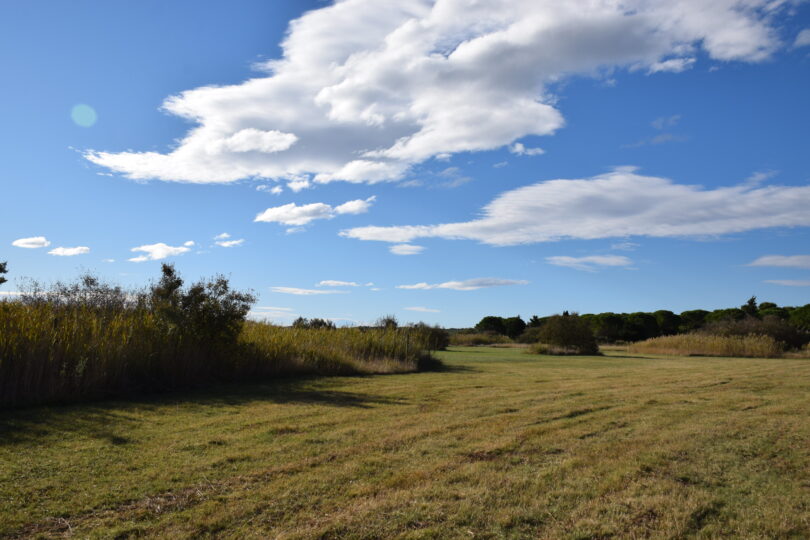
In previous years, in cooperation with Nature Park Vransko Lake, we successfully restored a grassland area near the visitor center. After mowing and removing reeds, birds began using the area once again for feeding and resting. However, it became evident that some sections of the grassland remained unused due to the absence of a dense vegetative barrier between the road and the grassland. To address this, with the help of volunteers and students, we planted shrub species such as chaste tree (Vitex agnus-castus), which act as a sound barrier and encourage birds to fly higher over the road, reducing traffic-related mortality. The planting of green barriers has proven highly effective and will continue as part of this project.
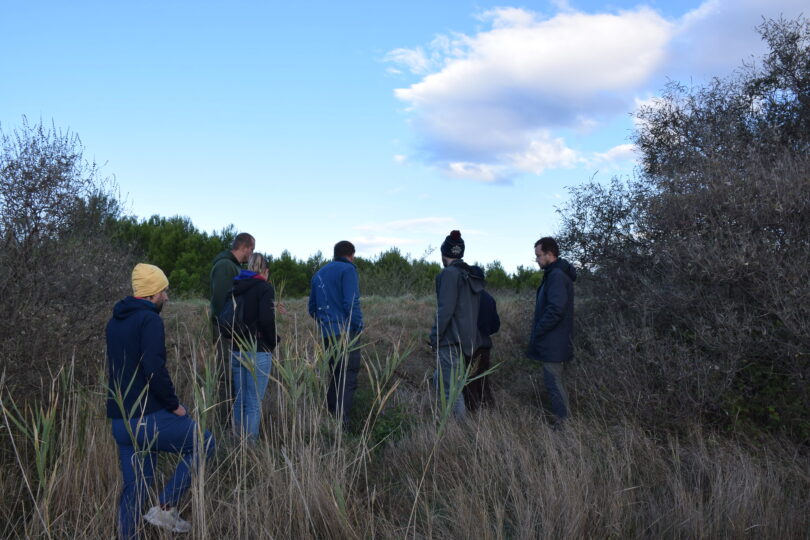
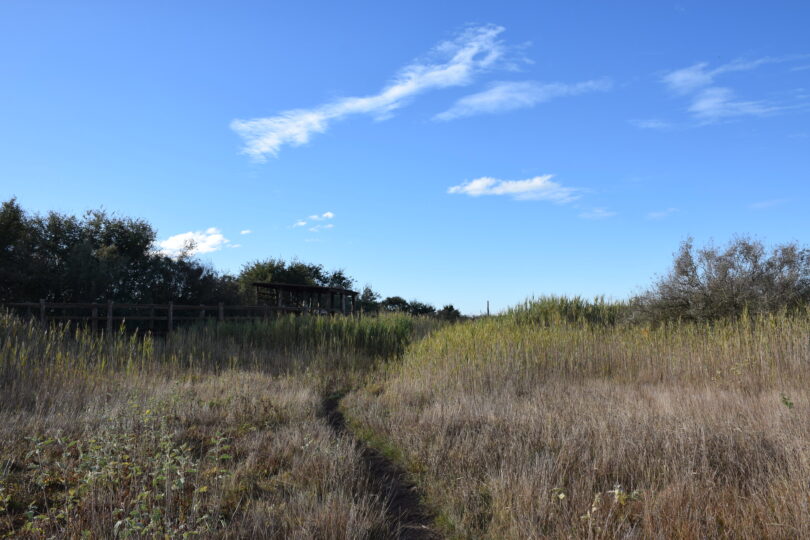
As part of the project’s initial activities, together with staff from Nature Park Vransko Lake, we visited existing and potential restoration sites, including the Jasen area and other grasslands in Ravni kotari. One of the project’s key goals is to encourage local livestock breeders to use restored grasslands for grazing, thereby maintaining natural structure and preventing overgrowth.
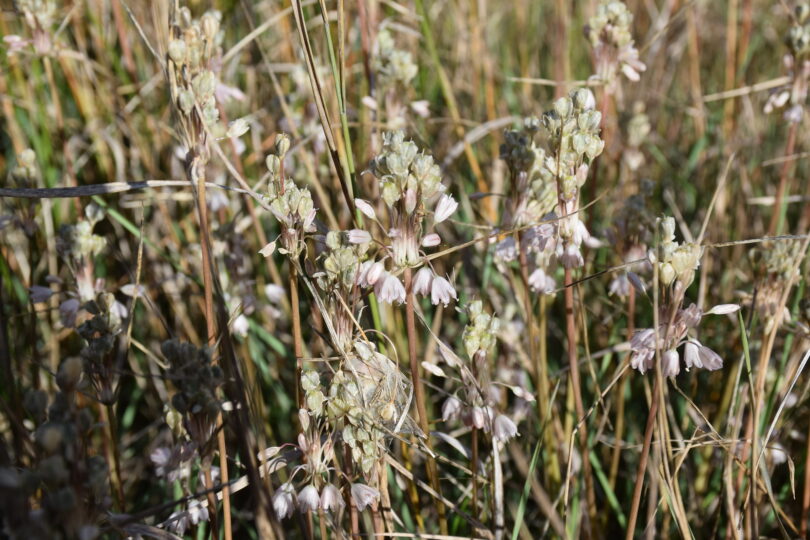
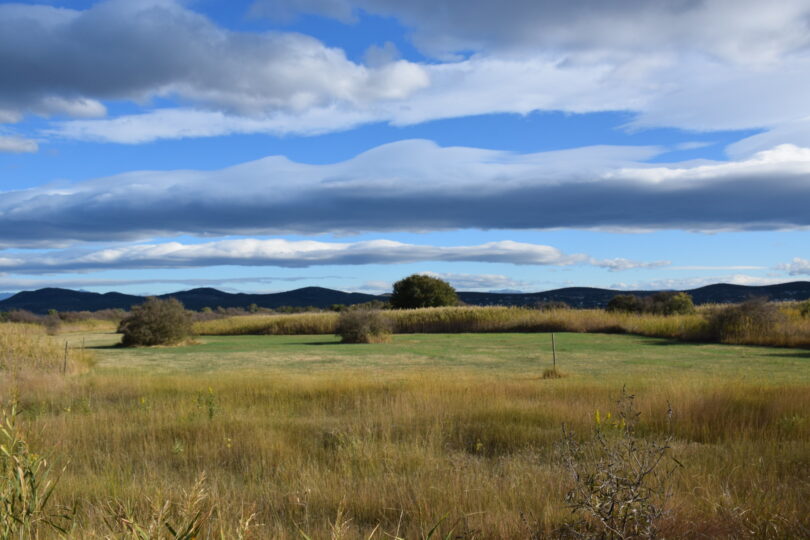
We also plan to collect seeds of Chouardia litardierei and Allium telmatum, which will be sown in new areas to support their expansion. In addition, we will test different restoration methods, including covering reed-dominated areas with environmentally safe sheeting during summer to weaken the roots; after the sheeting is removed, the habitat will be opened for the return of native plants. Special attention will also be given to removing invasive species, particularly cockleburs of the genus Xanthium, which threaten natural grassland communities.
The Restoring Wetlands project represents an important step toward restoring and protecting wetland habitats in Croatia. Through collaboration among experts, local livestock breeders, volunteers, and institutions, we aim to create a sustainable management model that will contribute to the conservation of biodiversity, ecosystem resilience, and the wellbeing of the communities living around Vransko Lake.
—-
The project “Restoring Wetlands: A Pathway to Biodiversity and Ecosystem Resilience” is valued at €657,248 and supported by the Donor’s Initiative for Mediterranean Freshwater Ecosystems (DIMFE) with a contribution of €348,608. It is implemented by Association Biom in partnership with the Public Institution Nature Park Vransko Lake from 1 April 2025 to 31 March 2028, with the goal of restoring and conserving these invaluable wetland habitats.